

Live in Taiwan, spread the good: everything comes from giving
Taiwan NGOs
In gratitude to Geshe Teacher Wu,
Everything in life comes from giving.
Everything in your life comes from giving.
Everything comes from giving, and it all begins with the intention of kindness you give.
Through sharing and offering, we come to have more.
Acts of kindness enrich your own life and benefit both others and yourself.


The upper part of the character 慈 (compassion) is 兹, interchangeable with 茲, describing lush, flourishing vegetation. In ancient times it meant abundant water and grass, a picture of 'benefiting all beings'. The heart that holds the wish to benefit all beings is 兹 + 心 = 慈.
The upper part of 悲 (sorrow) is 非, the same as in 是非, but here it is not read as 'right and wrong'. It is taken for its shape, interchangeable with 扉 (door), picturing grief that 'pierces the heart's door'. Why? Because of 'sorrow for the world and pity for humankind': seeing the pain and misfortune of others and feeling extreme anguish.
A compassionate heart is one that holds both the wish to benefit all beings and sorrow for the suffering of humankind!
Hold a compassionate heart, let go of greed, anger, ignorance, pride and doubt, and focus on what you love. Each day will be filled with gratitude, blessings, learning and giving. This is what the I Ching calls 'Blessed by heaven, all goes well', the most auspicious hexagram, 'Humility'.


About World Vision
World Vision is a global Christian organization for relief, development and advocacy, with more than 34,000 staff in nearly 100 countries across six continents. Through partnerships, it serves the most vulnerable children and families to help them out of poverty and danger, and accompanies them through the joy and abundance of life.
With rigorous methods and more than 70 years of experience, it builds partnerships with communities, donors, partners and governments, serves children of every background, creates opportunities for children and families in the most fragile settings, promotes child well-being, empowers communities, works to improve unjust systems that oppress people, and builds a sustainable future for humankind.
Walking into the corners of poverty and vulnerability, World Vision accompanies families and children out of poverty and develops communities, treating everyone equally regardless of race, gender or faith. We believe every most vulnerable child deserves a chance at a bright future.
About World Vision Taiwan
World Vision Taiwan was founded in 1964. In the 1970s and 1980s, when Taiwan's resources were scarcest, it pooled donations from overseas friends and reached remote mountain areas and outlying islands, caring for orphanages, children's homes and leprosy hospitals and providing mountain medical services, serving 'the poorest of the poor'. As Taiwan's economy took off, and after receiving help from abroad for 20 years, World Vision Taiwan was taken over in 1985 by Taiwanese sponsors and donors to care for the needs of children at home.
In 1991, Taiwanese donors began sponsoring impoverished children overseas, passing on the love they had long received to other corners of the world in practical ways. From receiving overseas aid to helping those in need abroad, World Vision Taiwan has been rooted in Taiwan for 60 years. It now has 4 offices, 55 service sites, 11 government-partnered service centers, 3 student centers, 3 tribal kitchens, 13 digital learning classrooms and 21 youth development centers across cities, coastal areas, mountains and outlying islands, making it the most deeply rooted and widely reaching child-care organization in Taiwan.
Today, with about 600 social workers across Taiwan bringing professional service and deep experience, World Vision Taiwan carries out education and nutrition support, family development and community empowerment, child protection, and disaster relief and family assistance, accompanying about 45,000 disadvantaged children and their families through hardship each year and meeting hope for change together.
With the love of sponsors and donors, World Vision Taiwan works through overseas child sponsorship programs with World Vision offices in other countries on medium- and long-term regional development plans, joining hands with more than 2 million impoverished children and residents each year on the path to transformative development and self-reliance. Through the '30 Hour Famine' humanitarian relief fund, it also responds to natural disasters, war and famine, helping about 15 million people through life's crises every year.
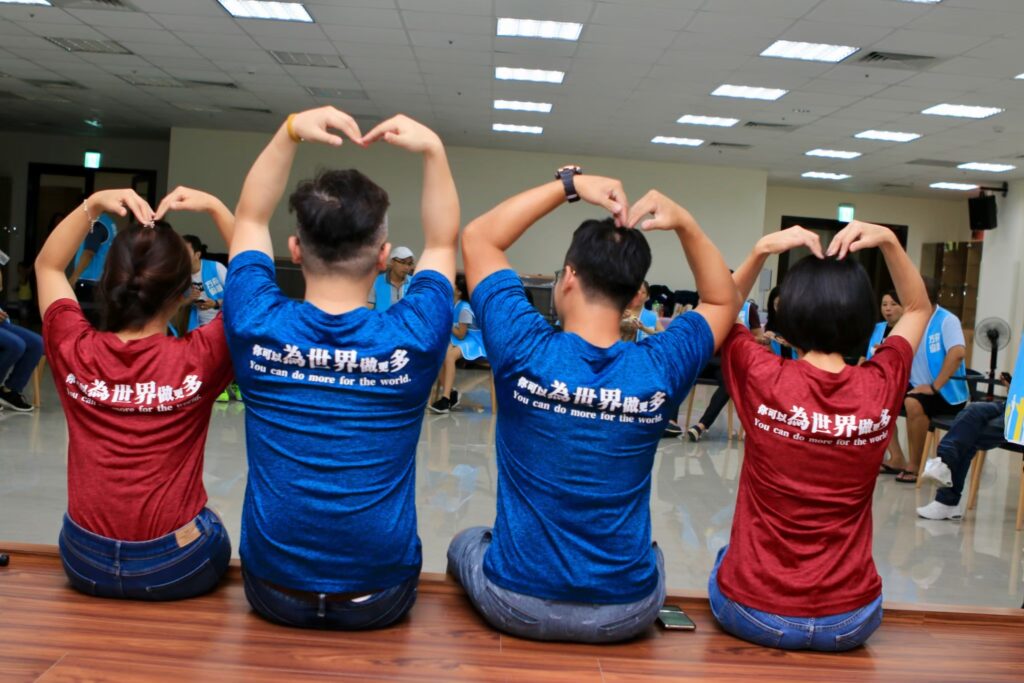
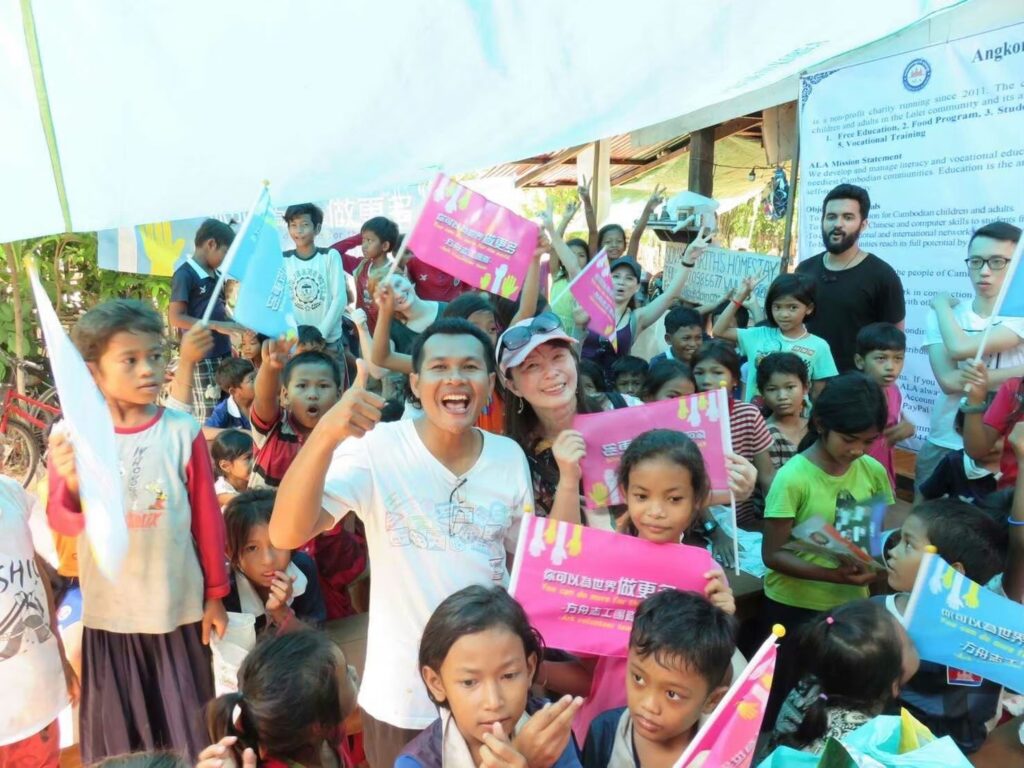
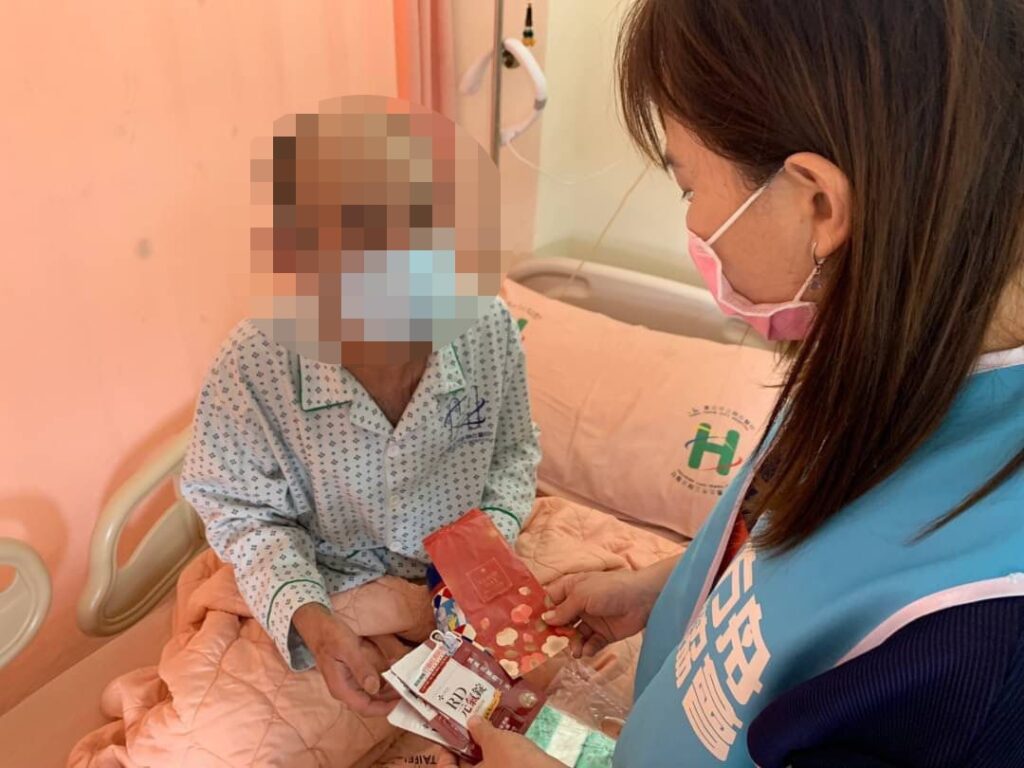
Since it was initiated in 2014 by Winny Wen (now founding chairperson), the Ark Association has been devoted to public service, bringing love and care to every corner of Taiwanese society. From early mountain-cleaning activities and service at the Sandimen elderly long-term care center, to more than eight years of service at a Bali nursing home, we keep accompanying and caring for people in need through stage plays, games and outings. We also take an active part in youth volunteer education, promoting life education so that every young person can grow in every aspect.
In 2015 we began helping disadvantaged families, such as single mothers in Wugu and families in Shulin needing medical expenses. We also hold the world in our hearts, putting effort into international volunteer service and education, such as setting up schools in Nangqian, Qinghai and in Cambodia, and organizing international youth volunteer groups so that young Taiwanese can take part in local affairs and understand and care about the needs of the world.
The Ark Association was formally established in 2017. Our main services now include youth volunteer life education, support for disadvantaged families, companionship for elderly living alone, rehabilitation and meals for the homeless, co-founding the Tibet Hope Primary School, supplies for rural children and international schooling. We hold volunteer education courses every week and actively provided volunteer support during the pandemic, focusing on emotional management, career planning, skills education, family education, self-awareness and exploration. Our goal is to give Taiwan's young people comprehensive support so they can grow strong with our companionship and bring more warmth and hope to Taiwanese society.
▌Become a Guardian Angel of the Tibet Hope Primary School
Sharing the Ark Association's charitable work:
Services for the Homeless
Through meal delivery to street dwellers, a bathing center, a work empowerment center and counseling, we help the homeless return to society.
“No one should be forgotten. We provide not only basic needs but also a connection to society, so they can begin a new chapter of life.”
Emergency Relief Services
Short-term emergency support, including medical expenses, living assistance, acute emotional counseling and disaster aid.
“Emergency relief is like a lifebuoy in life: when hardship strikes, it gives those sinking in despair the support and hope they urgently need.”
Elder Care Services
Weekly visits to elders living alone and monthly board-game companionship at nursing homes. A smile, a caring glance, is enough to light up their world.
Happiness is contentment in the present moment. Every act of love can create a brand-new life experience, and is the best activity for healing and joy.
Love & Learning Program
We take part in sending love to Myanmar, founding and sponsoring the Tibet Hope Primary School, delivering supplies to rural elementary schools, and accompanying local disadvantaged children.
“Education is the most important change we can make. If we care for these children today, the world will return the same love to you.”
Chang'an Bathing Residence|Homeless Bathing Center
Chang'an Bathing Residence is located atNo. 288, Chang'an West Road, Datong District, Taipei City. It is a bathing and hygiene classroom for the homeless, offering a comfortable space where the homeless and the disadvantaged can bathe, learn about hygiene, and receive job counseling and work training when appropriate.
The center expects to serve 3,600 to 5,000 visits. It has a cultural-creative counseling room, a psychological counseling room, a group workshop space, and restrooms and shower rooms.
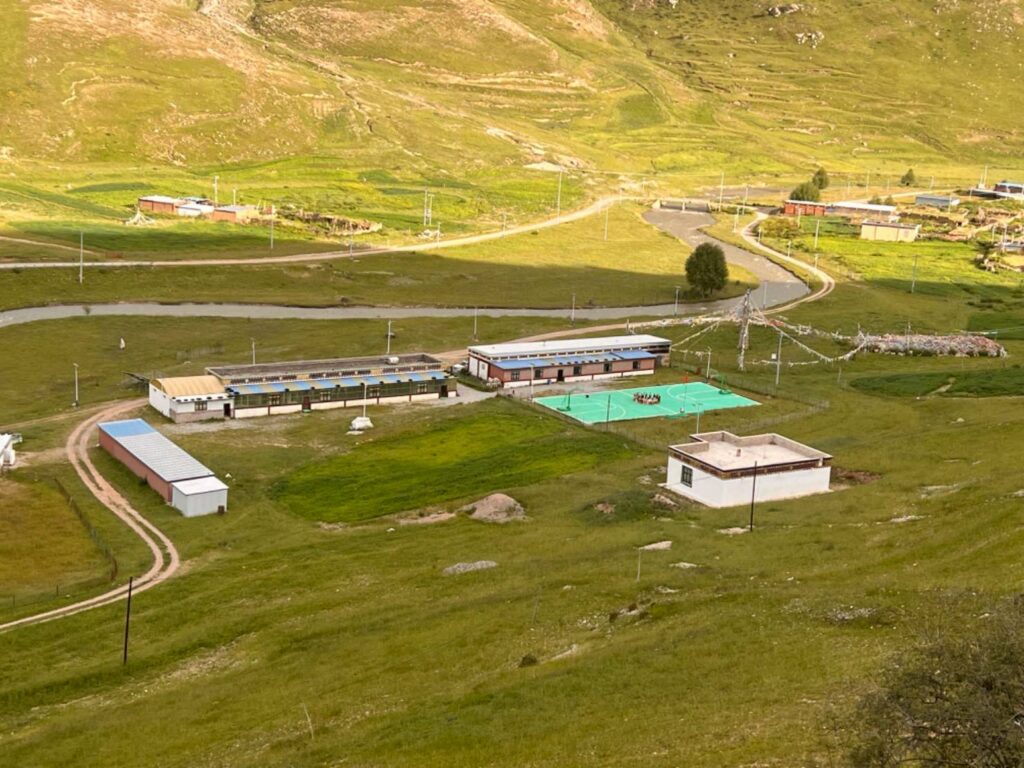
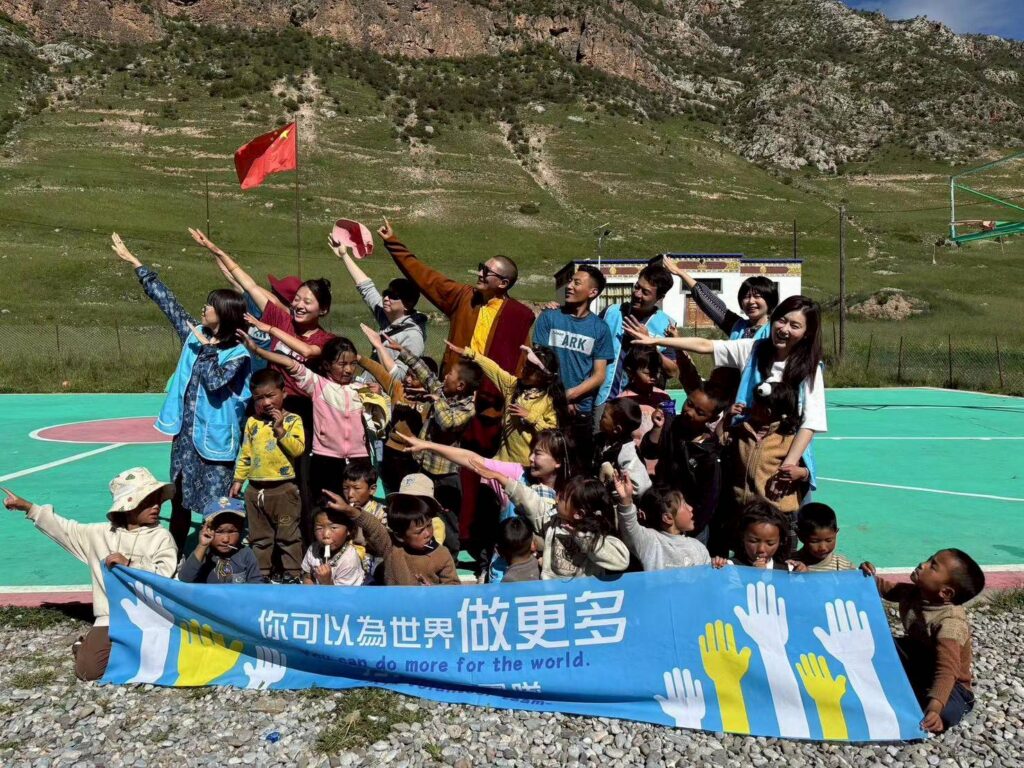
▌Tibet Hope Primary School: Let Love Take Root on the Roof of the World
▌Fundraising permit no.: Wei-Bu-Jiu-Zi No. 1131364749
While spring is warming up here, children on the Tibetan plateau still walk to school through snow. White snow covers the roofs and cold wind sweeps the corridors, yet the children keep writing, reading aloud and playing, living a simple and fulfilling life. For them, a warm blanket, a hot meal or a new book brings great warmth and company, and that warmth comes from the love of every sponsor.
In faraway Nangqian County stands a 'Hope Primary School', carrying the heartfelt dream of Principal Khenpo Tashi Dawa: to light up the future for every child. Imagine the children who cannot attend school because of poverty and can only stay home doing hard labor. Seeing the longing in their eyes, Principal Khenpo resolved to build this school to give children a safe, warm place to learn.
Since it was founded in 2013, the children here no longer go hungry; they have books, classrooms and a greenhouse where they learn to grow plants. With the Ark Association's support, the school repaired its leaking roof, improved its facilities and built a greenhouse. The children learn not only to read and write but plant the seeds of hope with their own hands: fresh vegetables harvested from the greenhouse improve their nutrition and are taken home to share with the elders of the mountain village.
The construction and results of the Hope Primary School include:
- No more hunger:Through the greenhouse and planting program, children learn self-sufficiency, improve their families' nutrition and provide food for the village elders.
- Healthy eating and living:The greenhouse and improved facilities teach children healthy eating and living habits.
- Quality education:A safe, supportive learning environment gives every child the chance to receive an education.
- Clean water and hygiene:Safe drinking water and sanitation facilities build good hygiene habits and prevent disease.
- Sustainable community development:Through planting, children learn skills and also drive the community's green development and quality of life.
Principal Khenpo Tashi Dawa was born in 1985 in a small valley in Jiaojiangni Village, Nangqian County. He loved learning from a young age, and his parents sent him to Jela Monastery to deepen his study of the Dharma. In 2010 he stood out among 1,300 monks to become a Khenpo. After returning home, he taught herders and out-of-school children during the winter farming off-season, helping them gain literacy. For more than ten years he has taught every child with love and patience, passing on knowledge and accompanying them like family.
The annual volunteer trip lets us see the children's innocent smiles in person. When volunteers arrive at Yushu Airport, the Qinghai-Tibet Plateau comes into view, and the cold wind cannot quench the excitement inside. At the school, the children welcome us at the gate, and some shout “Mama! Mama!” The rosy plateau cheeks and the emerald valley make the most beautiful picture. The children's laughter echoes through the valley like musical notes and connects our love for one another.
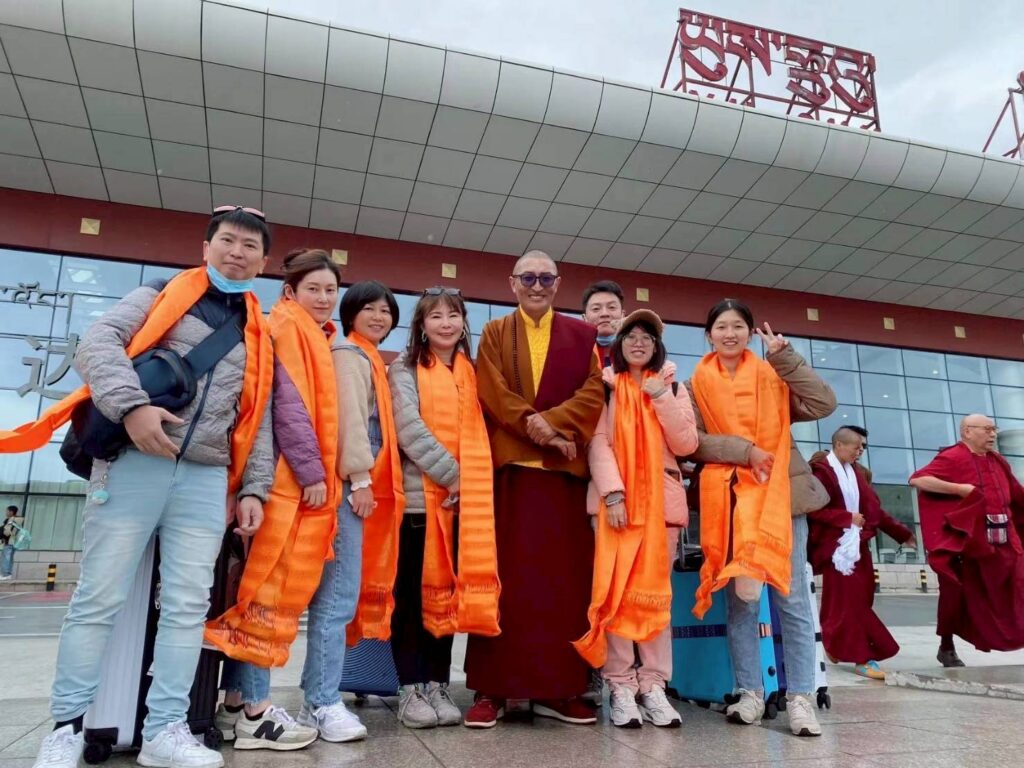
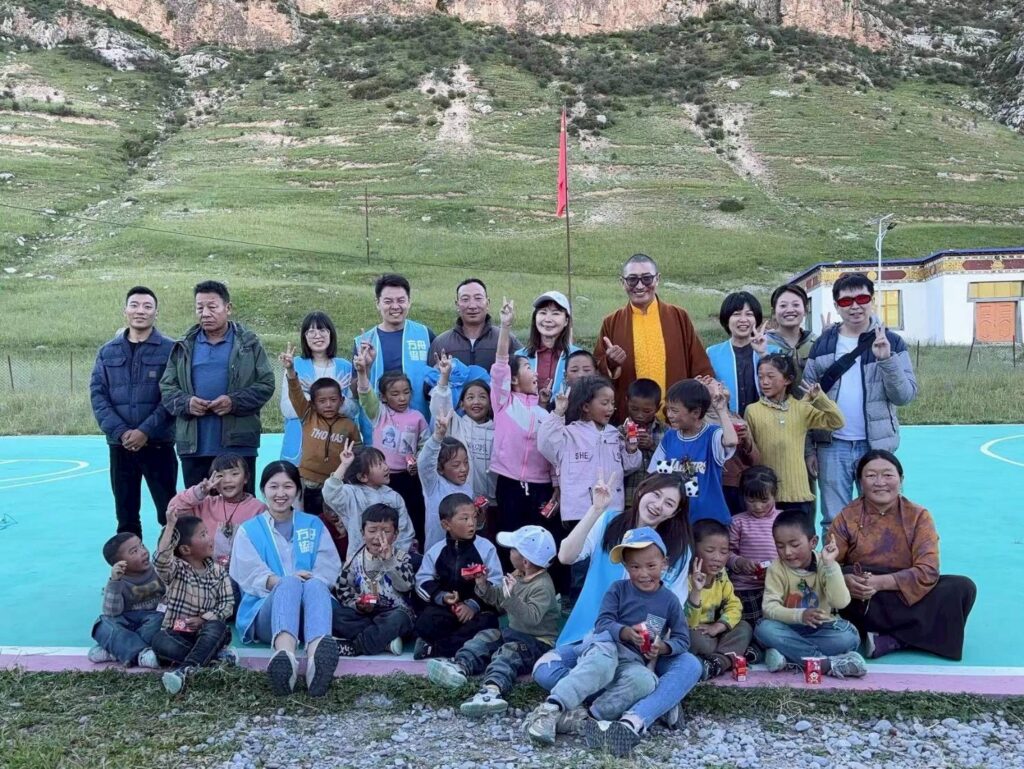
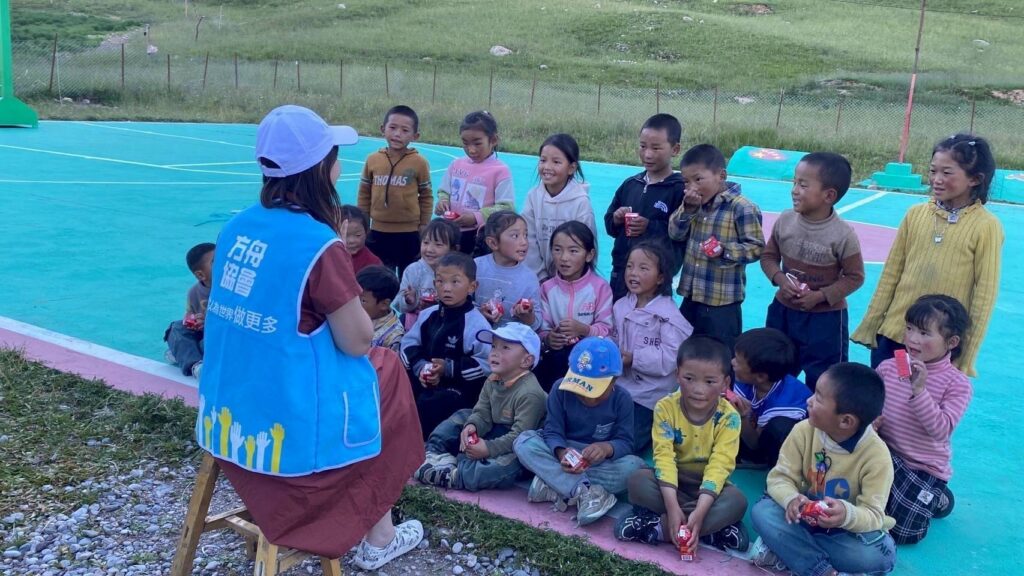
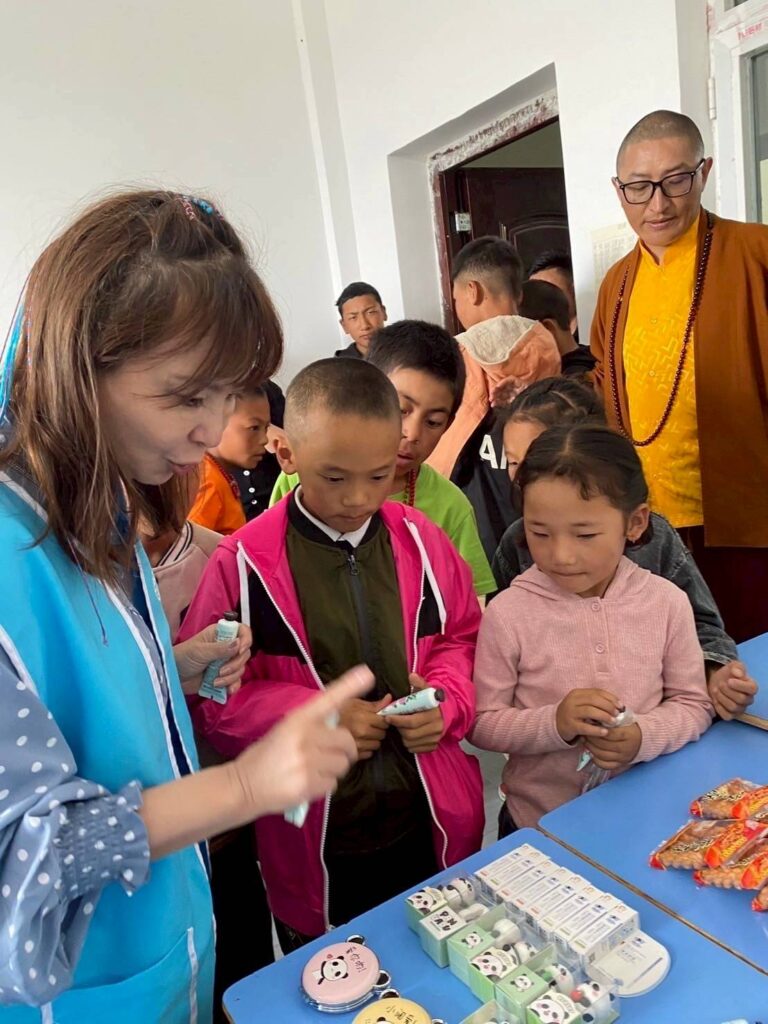
The Hope Primary School is now looking for more “Guardian Angels”
Your regular monthly support can keep improving the children's lives and education and let them see a broader future.
Every bit of love becomes a blanket, a hot meal and books in the children's hands, and the strength that accompanies them as they bravely chase their dreams.
Be the little sun in a child's heart and help them write a new chapter of life.


The Mission of the Society of Wilderness
Through purchase, long-term lease, entrusted management or donation, we obtain guardianship and management of wild land, protect it, and let nature run itself and recover its vitality as much as possible. From the deliberately preserved wilderness of Taiwan, we and future generations can discover the wonders of nature and grasp the meaning of life.
Our Tasks
- Preserve Taiwan's native species
- Let wild land undergo natural succession
- Promote the concept of nature and ecological conservation
- Provide the public with environments and opportunities for nature and ecology education
- Help the government conserve soil and water and protect natural resources
- Train talent in nature and ecological conservation


We believe Hualien and Taitung represent Taiwan's good life and values. Through exemplary pathfinding, we hope more people will understand the value of preserving the land and culture of Hualien and Taitung before large-scale development and commercial organizations arrive.
After Typhoon Morakot in 2009, we helped with recovery in Hualien and Taitung, first by training practitioners and lighting up tourism potential sites, then running alongside industries and talents with potential to help them grow and find direction. We continue to bring key influencers to Hualien and Taitung to awaken public appreciation of their value, and to build a cross-ethnic exchange platform for Indigenous peoples, promoting learning and exchange with Indigenous peoples of other countries to build a sustainable future for their own lands together.
We walk on the front line in Hualien and Taitung, crouching down to listen, understand needs and connect resources. We believe it is 'trust' that gathers everyone's love and energy and makes things different.
“Public Platform” is a foundation without a name, a platform used by everyone together. We are committed to integrating corporate and civil resources to expand synergy, and, with like-minded partners, letting good things branch out and flourish.


A Glimpse of History
In 1948, a “Mennonite mobile medical team” of 6 or 7 foreign medical staff, evangelists and interpreters first appeared in the Indigenous villages of eastern Taiwan, carrying American-aid medicines, canned food, milk and other supplies on a converted US military truck into remote areas to practice medicine. In 1954 the 35-bed Mennonite Christian Hospital was established, extending care to lowland residents as well. In the early years, its expenses mostly came from churches and donors in the United States; as Taiwan's economy flourished, American aid ceased. Around 1990, as a major expansion was needed, more and more Taiwanese joined in donating. During this period there were several historic changes:
- 1. It was upgraded to a regional teaching hospital with more than 500 beds.
- 2. Localization succeeded; although foreign missionaries and medical staff gradually retired or left Taiwan, the new generation of Mennonite staff still holds to the traditional spirit.
- 3. A “new immigrant wave” arose: after many Taiwanese doctors from North America returned to serve at the hospital, many medical professionals from Europe and America were also moved to return and serve.
After 2001 it successively opened nursing homes and postpartum care centers; the Shoufeng Branch opened in 2010, followed by a psychiatric nursing home, and the Shoufeng Nursing Home opened in 2014, taking another step as a benchmark hospital for holistic long-term care of senior citizens. In July 2018, the Shoufeng Branch formally established the 'Dementia Co-care Center' and the 'Community Integrated Service Center (Unit A)', expanding services to dementia care, respite care for the disabled, mobile transport for people with disabilities and expanded home care, putting people-centered, community-integrated care into practice. We plan to build the 'Long-term Care Integrated Service and Talent Cultivation Center' building on about 232 ping of land at No. 586, Binhai Section, Nanbin Road, Ji'an Township, Hualien County, and to renovate the dilapidated existing buildings on about 310 ping of adjacent lot No. 584 into a dementia group home providing community-based service for people with dementia. In 2022 groundbreaking ceremonies were held for the 'Nianhua Building' of the long-term care center and the 'Yongai Building' dementia home. We will work to carry out the phased expansion plans: the Health Management Center building, whose groundbreaking was also held in 2022 to ease the crowded space at the Meilun main hospital, and the senior care home project, in good faith completing the projects donors have long awaited and gradually completing the overall Shoufeng elder-care community plan, providing care for body, mind and spirit.
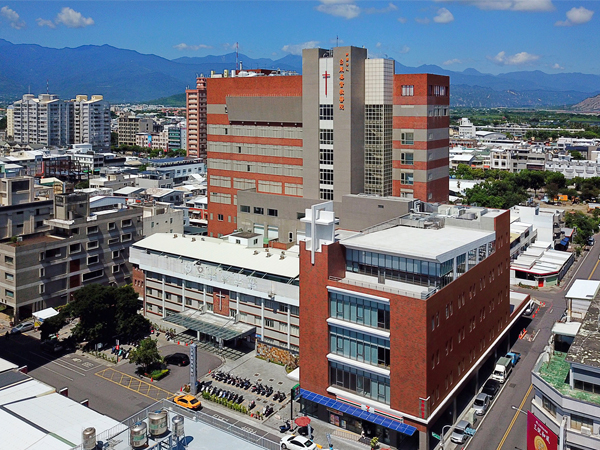

In February 1969, God's hospital was built among people. With a passion for spreading the gospel and saving the world, the missionaries of Taitung Christian Hospital applied the idea of a mobile hospital, going up mountains and down to the sea, covering every village in Taitung, treating patients like family and saving countless lives. Director Dr. Joseph Tam once said, “Faith is not for explaining life, but for carrying life.” The six recipients of the Medical Devotion Award, Tam, Sue, Keng, Long, De and An, are like grains of wheat falling into the soil and bearing many seeds, passing on today's 'wheat spirit' of devotion.
In 1996 God's hospital on earth faced a real trial. As times changed, the medical role of the hospital in Taitung faced the pains of transition because of rising local medical standards and the dismal operation of missionaries who cared nothing for profit; moreover, the founding missionaries retired from old age or were reassigned by the church and left Taiwan one after another. The hospital fell into a crisis of being unable to continue.
During this time, Hualien Mennonite Hospital and Kaohsiung Chang Gung Hospital stepped in with timely help, and with the joint efforts of past and present colleagues, the hospital gradually completed its transformation, continuing the character of a mobile hospital to safeguard the health of Taitung people.


Taitung has long lacked resources,
so its young and middle-aged adults must leave home to work in the cities of western Taiwan.
Pressed down to the bottom of society like tiny black dots,
they give birth in the cities and have no choice but to send the children back home to be raised by grandparents;
many Taitung children grow up in incomplete families,
neglected by family and school, and so abandon themselves.
In 1999,
Chen Jun-lang, who had returned to his hometown of Taitung,
began to accompany some of these children,
and gradually gathered partners of the same belief
to set up children's bookhouses in communities across Taitung,
and set out on the path of companionship….
The Bookhouse's Past..
- 1999, founder Chen Jun-lang returned from Taipei and began to accompany his own two children, and many children who had no dinner and wandered the neighborhood, with music and homework tutoring.
- 2007, the Taitung County Education Development Association was founded. To register it, the name “Children's Bookhouse”, chosen by the children, was written on a signboard and tied with wire to a utility pole, and the bookhouse finally took shape.
- 2008, education authorities launched after-school programs in which schools, communities and families jointly care for children: the 'Hand-in-Hand Program' for junior high students and 'Moonlight Angels' for elementary students. The bookhouse was one of the commissioned organizations.
- 2009, the Nanwang Bookhouse linked up with the Jianhe Bookhouse; the Meihe Bookhouse and Hot Spring Bookhouse were established.
- 2012, took the first step into agriculture and began growing passion fruit.
- 2013, founded the Little Gao class to address problems of elementary students below grade six, gathering all fifth and sixth graders at the Hot Spring Bookhouse; founded the Multi Bookhouse, with Chinese, English and math classes for junior high students and experimental reading classes for all junior and senior high students.
- 2013, the first passion fruit harvest.
- 2014, began building their own houses and raising chickens.
- 2015, the Qinglin Bookhouse was completed. The Children's Bookhouse Culture and Education Foundation was established.
- 2016, the Lijia Bookhouse was established, along with the foundation's affiliated Jirang Song.


In 2002, Daren Township had a population of 4,141, mostly elders and young children. Although they paid the same national health insurance premiums, they could not enjoy equal medical resources. In a place so short of resources, people waited for minor illnesses to heal on their own, and for serious illnesses it was a matter of whether the road or one's fate was longer. Dr. Hsu Chao-pin, then director of the Daren Township health center, was both indignant and anxious. He added night and holiday clinics and promoted a 24-hour emergency service (established at the Dawu first-aid station in 2006), and also fought to rebuild the humble health center into a medical building (opened in 2009).
Yet the doctor known as 'Superman Doctor' collapsed from a stroke caused by overwork in the early hours of September 18, 2006, at age 39, and experienced firsthand the suffering of the ill and the need for medical care. After returning to work, from 2011 he advocated building the South Link Hospital and set up the South Link Foundation and the hospital preparatory office, hoping to build a medical safety net along the South Link Line as a lighthouse for people returning home with peace of mind.
Mission of the Foundation
To establish medical institutions that suit local needs and provide residents of the South Link Line and nearby areas with medical services that are spatially and culturally accessible, along with holistic health care.
For the purpose of running medical institutions and public welfare undertakings, including supporting post-acute care in the South Link Line and nearby areas, assisting mobile medical services for each village, providing long-term care services, disease prevention screening and health promotion. It also cares for local residents (the elderly, people with disabilities and disadvantaged groups) in matters such as emergency relief and related care.
A visionary project centered on the spirit of medical humanities, covering education and empowerment of medical and health care personnel; research in medicine, humanities and social care; promoting health-promoting diets and related activities; and combining local medical care with humanities industries to increase jobs and create sustainable regional development.
About Little Saplings
Founder of the Little Saplings Inner Growth Camp: “In the two days and one night of group life, every activity looks like play, but what it really teaches children is a healthy, peaceful, calm and happy feeling when getting along with groups and with individuals. It trains children not to be troubled by their own emotions when facing adversity or things not going their way, and nurtures an attitude of not putting all the benefit on themselves within a group: being friendly to others, respecting elders, brotherly harmony, supporting one another and winning together through mutual benefit.”
The founder has distilled the Chinese cultural ideal of 'inner sage, outer king' into five hearts: 'respect, gratitude, elders and juniors in order, others in mind, and correcting mistakes'. Through activities, children get principles they can practice in daily life from a young age. Back home and at school, through every educational 'moment' in life, they develop the ability to be alone, the ability to get along with others, and a broad-minded concern for the world and society.
Education is a plan for a hundred years, and the five hearts of 'respect, gratitude, elders and juniors in order, others in mind, and correcting mistakes' are the DNA of education and also what the 12-year national education curriculum calls 'core competencies'. Cultivated through family, school and life, they go on to transform society and country and improve the nation. This is the meaning and true


Origins
The greatest event in Taiwan's Buddhist community is the International Offering to Buddha and Sangha Assembly. Every seventh lunar month it is held across the country, with monks from home and abroad gathering to receive offerings in unprecedented numbers. In greater Taipei in particular, the assembly has been held at the Linkou Gymnasium over the years, a landmark gathering in Buddhist history, mobilizing over ten thousand volunteer bodhisattvas each year. It is truly a monumental undertaking, widely praised within and beyond the Buddhist community, and has become a focus of international attention.
The Offering to Buddha and Sangha is the result of many years of effort by Taiwan's Buddhists, and how to sustain and promote it, bringing the assembly to greater completeness, is the common wish of all Buddhist disciples. Because the organizing bodies had always been temporary, they could not operate normally in manpower or finances, and especially the yearly handover, involving surplus funds and many other complicated matters, had no clear regulations, so an institutionalized set of operating rules was urgently needed.
Therefore volunteer bodhisattvas launched a joint petition to set up a permanent organization to plan sustainable operating rules for fixed asset management, staffing, financial management, work plans, selection of directors and supervisors, and rules of procedure. Thanks to everyone's joint efforts, the 'Chung Hwa International Offering to Buddha and Sangha Merit Society' was finally born as eagerly hoped, and was approved by the Ministry of the Interior on November 2, 2003 (ROC year 92) under official letter Tai-Nei-She-Zi No. 0930071614. Volunteer bodhisattvas were overjoyed at the news, and a ray of dawn appeared for the great undertaking of offering to Buddha and Sangha.
In the Ullambana Sutra, the Buddha taught that offering to the Buddha and Sangha can deliver one's present parents and parents of seven past lives, as well as relatives, from the suffering of the three evil realms, giving present parents a hundred years of life free of illness and all affliction, and freeing the parents of seven lives from hungry-ghost suffering to be reborn among humans and devas in endless happiness. The most important meaning of this activity is to plant fields of merit widely and continue the Buddha's wisdom-life, symbolizing the Buddha as the one perfect in both merit and wisdom, so that the true Dharma abides long. It encourages lay practitioners to make offerings to the Three Jewels, draw near to hear the true Dharma, reflect rightly and practice according to the Dharma, the supreme offering of the highest meaning. The founding of the Merit Society lets the participating volunteer bodhisattvas wash away defilements, be moistened equally by the Dharma rain, and attain the complete benefit of the Dharma for self and others.
The society takes the name 'Chung Hwa' (Chinese) from the distinctive purpose of Han-tradition Buddhism, which spreads the Mahayana teachings and makes two kinds of offerings, wealth and Dharma, paying homage to the Three Jewels above and accumulating merit and wisdom provisions below. It takes the name 'International' from the World-Honored One's transcending the boundaries of caste, color and region, and his promotion of the spirit of equality: 'Entering the Buddha's path has no ethnic distinction' and 'attaining sainthood has no national borders'. Holding to the Han-tradition Mahayana bodhisattva path, carrying forward the World-Honored One's spirit of equality of one taste across the four seas, and practicing the two offerings of wealth and Dharma, above honoring the Three Jewels and below accumulating provisions, this is the reason and purpose for which the society corrected its name so that the true Dharma may abide long.
Founding the 'Chung Hwa International Offering to Buddha and Sangha Merit Society' is a sacred mission! To build a new milestone, the society sincerely invites you to join, to give your time and wisdom, and for everyone to work hard together: those who act will succeed, and those who walk will arrive. Together we establish a good system and model to repay the kindness of the Three Jewels. At this once-in-a-thousand-years auspicious opportunity, fortunate to meet this grand assembly, we pray only that everyone rides together and that all benefits be complete and auspicious!
Making offerings to the Sangha is the best condition for accumulating merit and provisions~
The Buddha told Maudgalyayana: On the fifteenth day of the seventh month, when the Sangha holds its Pravarana, all sentient beings should, for the sake of the parents of seven lives and present parents in distress, prepare rice, a hundred flavors and five fruits, basins and ladles, incense, oil, lamps and candles, bedding, and all the sweetest things of the world, place them in the basin, and offer them to the great virtuous Sangha of the ten directions. On that day, all the holy ones, whether in meditation in the mountains, having attained the four fruits, walking beneath trees, or freely teaching with the six supernormal powers as hearers, pratyekabuddhas or great bodhisattvas of the ten grounds, manifesting as monks, are of one mind in the assembly and receive the bowl of Pravarana rice, keeping pure precepts, with a vast and deep virtue. Those who make offerings to such Pravarana monks will see their present parents and relatives delivered from the suffering of the three evil realms at once, with clothing and food coming naturally; if their parents are alive, they will enjoy a hundred years of happiness; and parents of seven lives will be reborn in heaven, born freely, entering the heavenly radiance.
The Tang dynasty Vinaya Master Daoxuan was strict in keeping the precepts and was moved to receive food sent by devas. One day the master asked a deva: “What merit is greatest in the human world?” The deva replied: “Offering to the Sangha has the greatest merit!”
The modern Chan master Venerable Xuyun also said: “The Buddha and Dharma jewels rely on the support of the Sangha jewel. Without the Sangha, no one would spread the Buddha and Dharma, and there would be nowhere to cultivate good roots. Therefore offering to the Sangha has the greatest merit.”