Tag Temples & Faith

Taoism Quanzhen Longmen (Part 1)

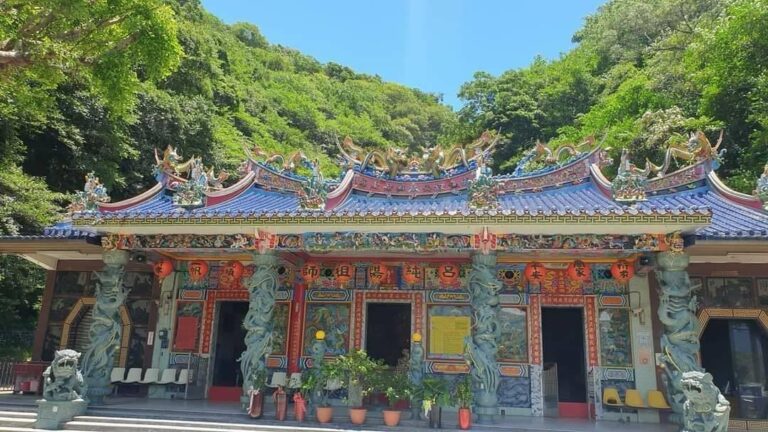
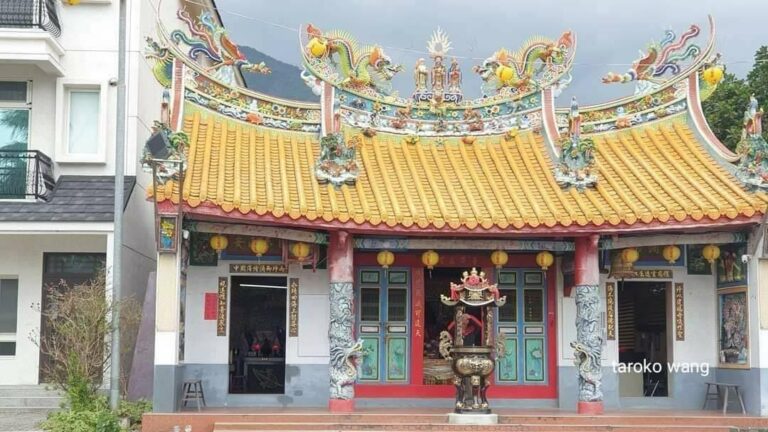
Explore the deep history, characteristics, and important figures of the Quanzhen Longmen School of Taoism, such as Wang Chongyang and Qiu Chuji. Learn about Taoist philosophy and cultivation methods, and experience the charm of important attractions such as Suao Guide Palace.

Buddha Mother Great Peacock Mingwang Sutra Mandala (Part 2)

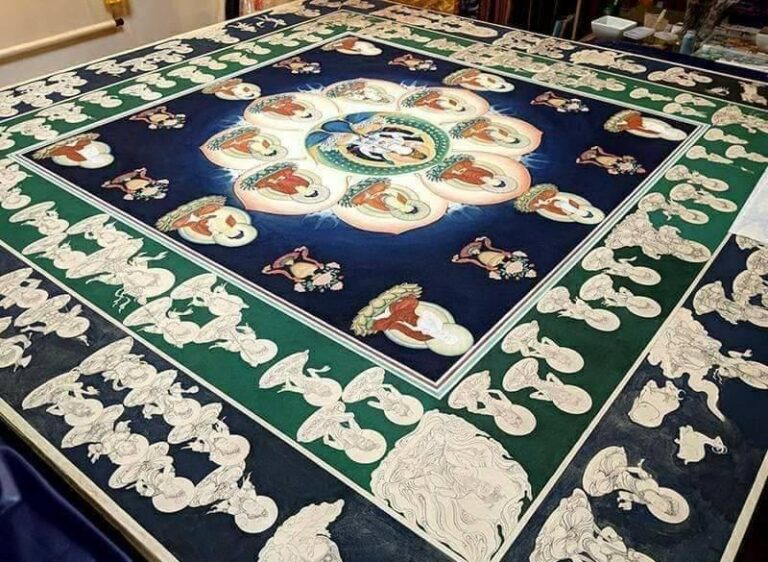
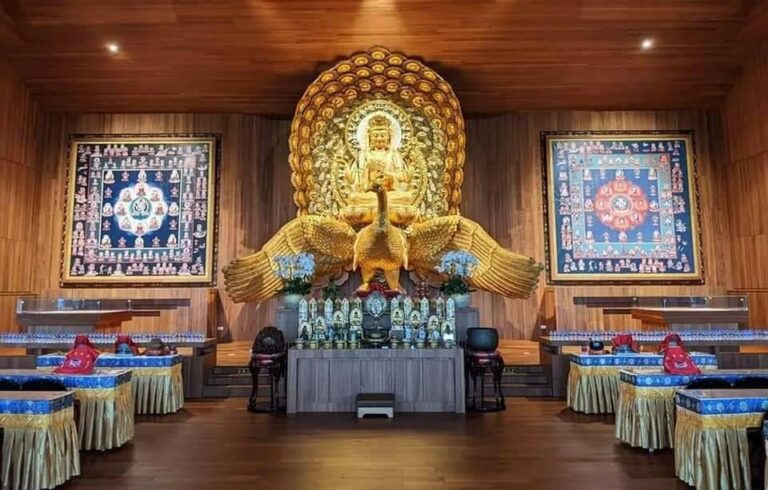
Continuous chanting and continuous creation are in order to be able to follow the Dharma and allow each tribe to represent the heart of Peacock King Ming, and to be able to integrate and interact in the painting; only in this way can we achieve the great freedom that Master Ciding hopes for.

Buddha Mother Great Peacock Mingwang Sutra Mandala (Part 1)

More than 20 years ago, Master Ciding said that his wish is to reproduce the Matsuo Temple version of the Maurya Sutra mandala in Japan;
"I have always hoped to have a Peacock Sutra mandala for teaching the Dharma." So Master said that Teacher Yuding has fulfilled his dream!

Guanyin Guide in Northern Taiwan

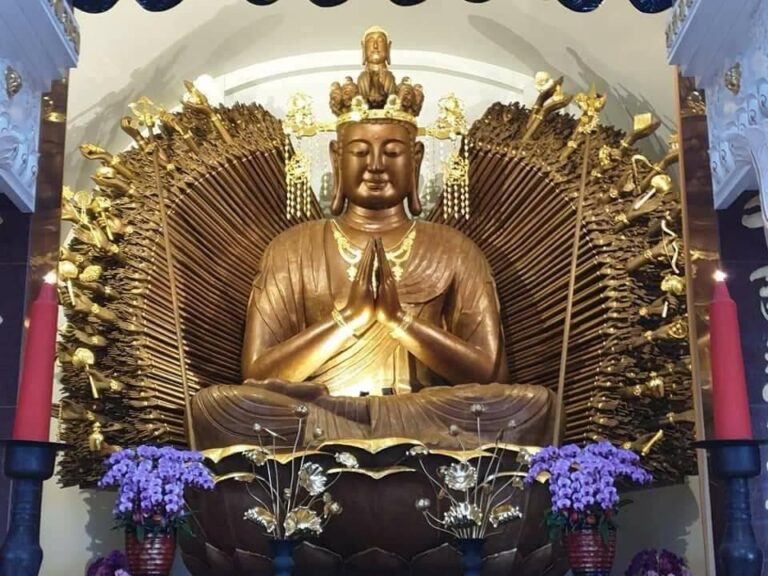
Guanyin Bodhisattva can be said to be the most common folk belief among Chinese people. Buddhism plays a very important role in Taiwanese folk beliefs, especially the belief in Guanyin. Until the end of the Qing Dynasty, 304 Taiwanese Buddhist temples worshiped Guanyin as the main deity. There are fifty-six temples with Kamuni Buddha as their main deity, thirteen temples with Ksitigarbha Bodhisattva as their main god, six temples with Amitabha Buddha as their main god, and six temples with Three Jewels Buddha as their main god. It can be seen that the belief in Guanyin is widespread.

Eastern Taiwan Medicine Buddha Guide

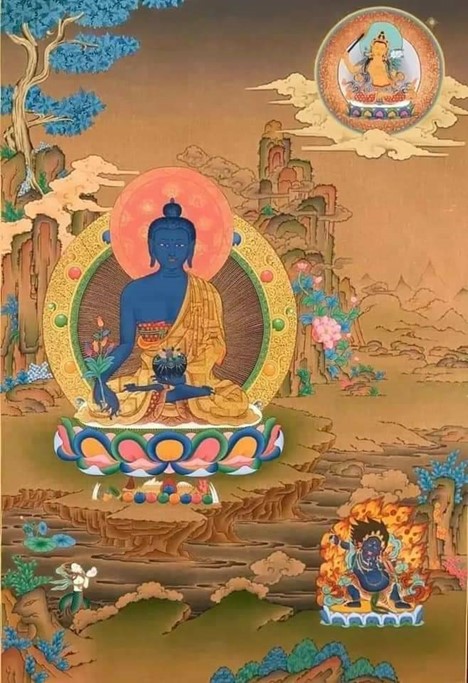
Eastern Taiwan Medicine Buddha Guide: The Medicine Buddha (Sanskrit: भैषज्यगुरु, Romanized: Bhaiṣajyaguru), fully translated in the Sutra of the Vows and Merits of the Medicine Buddha Lapis Lazuli Radiance Tathagata and the Sutra of the Buddha's Preaching on the Removal of Sins, Death, and Liberation through Anointment, is known as the Medicine Buddha Lapis Lazuli Radiance Tathagata or Medicine Buddha Lapis Lazuli Radiance King Buddha (or Tathagata) in some scriptures, directly translated from Sanskrit as Bhaiṣajya-guru-vaiḍūrya-prabhā-rājāya (Bhaisajya Guru Vaidurya Prabha Raja). The term "King" corresponds to the Sanskrit "rājā", but is often omitted in translations. The characters "琉" and "璃" are used interchangeably. Commonly referred to in Chinese as the Great Medicine King Buddha who Dispels Disasters and Prolongs Life, the Medicine Buddha is depicted with a transparent body, blue in color like lapis lazuli, and emits pure, gentle light illuminating the world. Therefore, "Lapis Lazuli Radiance" is his meritorious name. His realm, known as the Pure Lapis Lazuli World, is filled with lapis lazuli pure light.