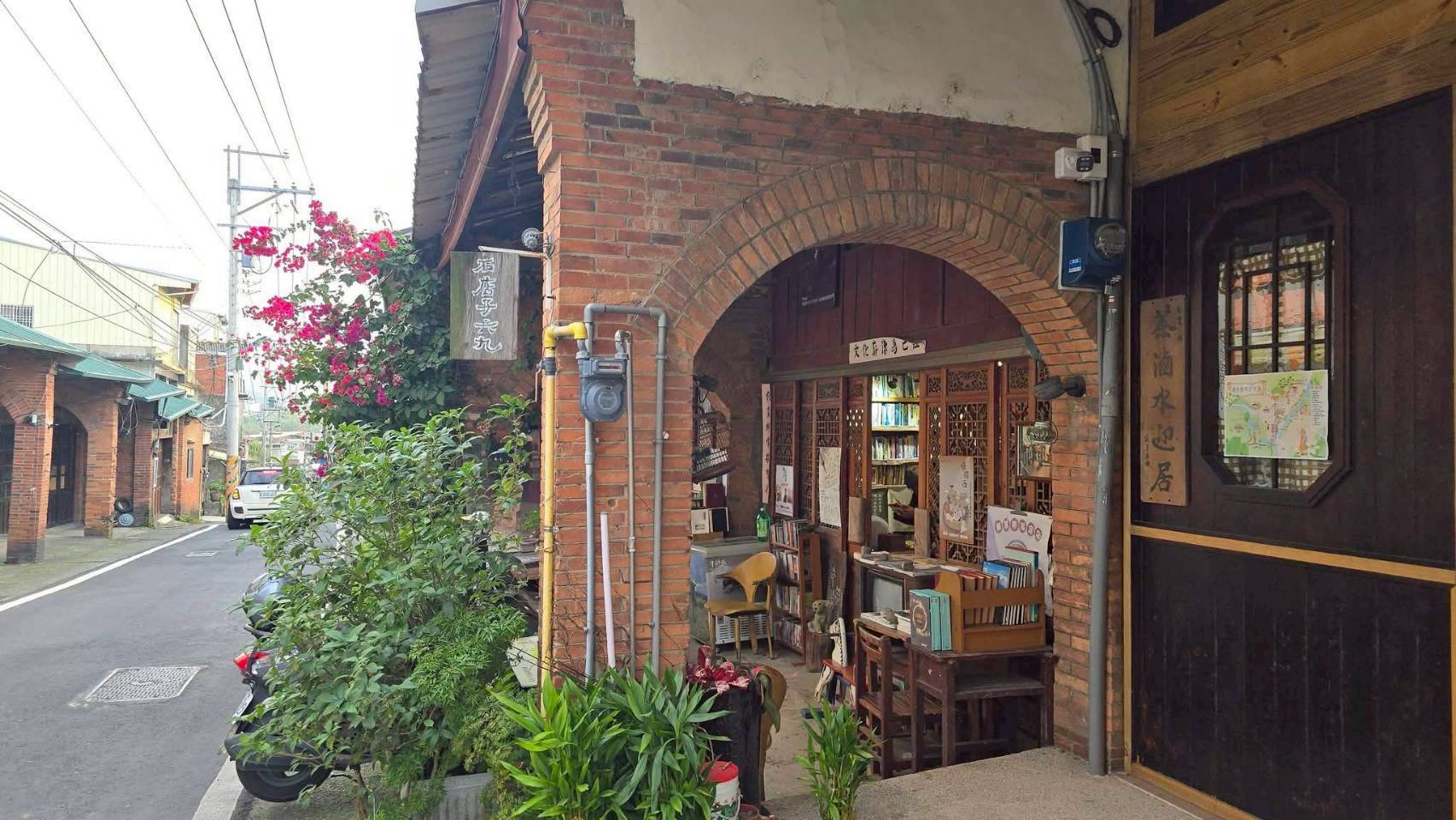
A Literary Revolution in an Old House: How an Organic Bookstore Uses a Single Secondhand Book to Reimagine Community Revival
[A Literary Revolution in an Old House: The Organic Forest Reaching from Gongliao Old Street to the World]
[It All Began with Gongliao Organic Bookstore]
[A Literary Revolution in an Old House: How Organic Bookstores Connect the Warmth of the World with One Secondhand Book]
[Bringing Bookstores to Remote Areas, Part 2]
Shared earlier: Facebook post
Preface: Planting an Organic Forest in a Digital Desert
In an age when fingers swipe faster than pages turn, the decline of physical bookstores seems an irreversible fate. Yet starting from Shidianzi Old Street in Guanxi, Hsinchu, and spreading through Hakka towns and remote villages in Taiwan and even across borders, the “organic bookstore” is quietly sprouting in old houses, in a way that is extremely slow but remarkably resilient.
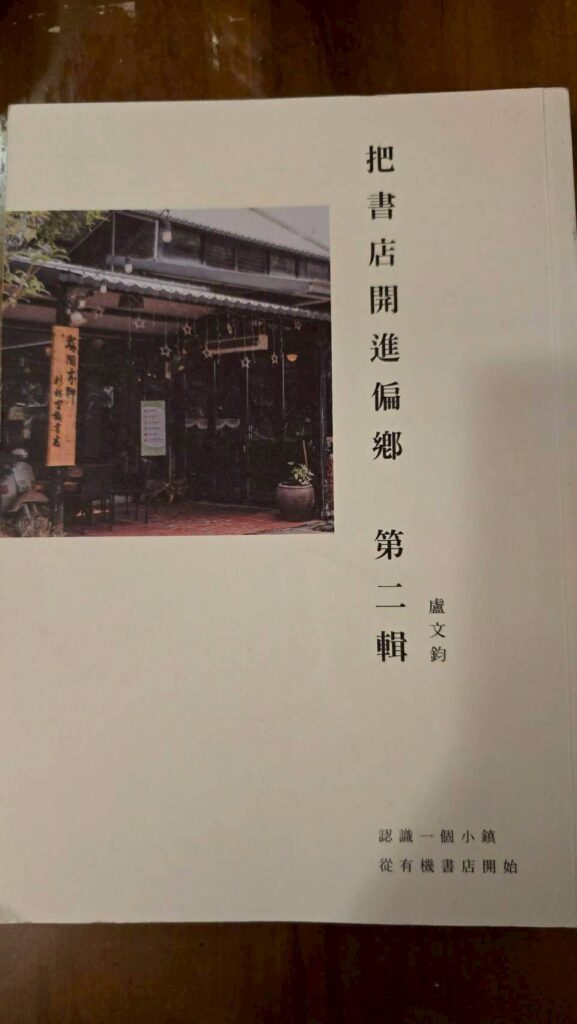
This is more than a campaign to promote reading. Lu Wen-chun, founder of the organic bookstores, has documented in detail in his books “Bringing Bookstores to Remote Areas” (Volumes 1 and 2) how to get to know a town through an organic bookstore. It is not the victory of a traditional commercial franchise, but the “organic ecosystem” planted for society by a former brand consultant who, having seen through the glitter of prosperity, chose to devote himself to local revitalization.
Chapter 1: The Starting Point: When Secondhand Books Meet a Century-Old House
Lu Wen-chun, the soul of the “organic bookstore,” was once a brand consultant who traveled back and forth across the Taiwan Strait advising guesthouses and factories. He was skilled at finding the soul of a space and giving buildings value. In 2014, business took him to Guanxi in Hsinchu, where he was deeply drawn to the small town’s style, which had kept its traditional pace.
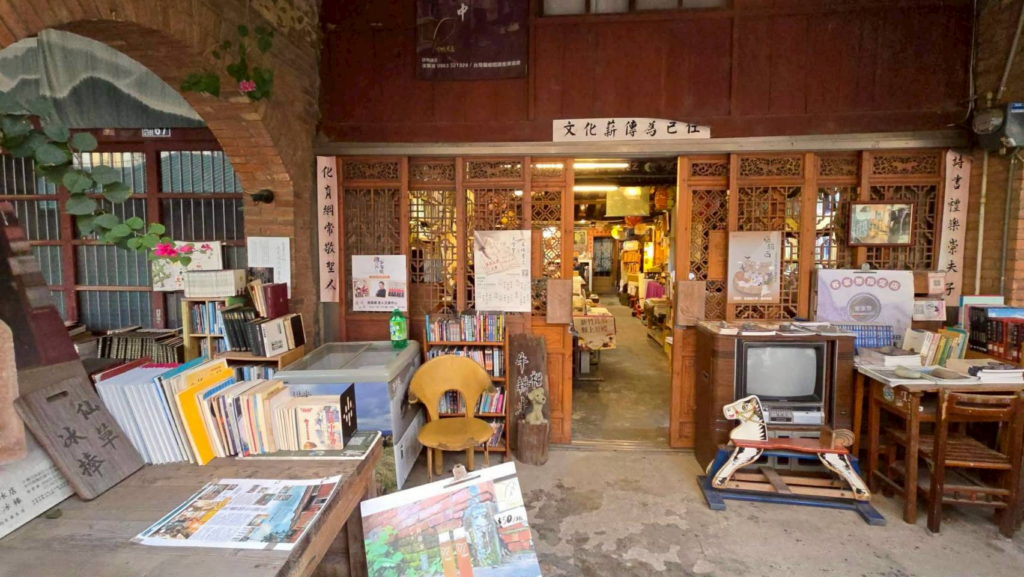
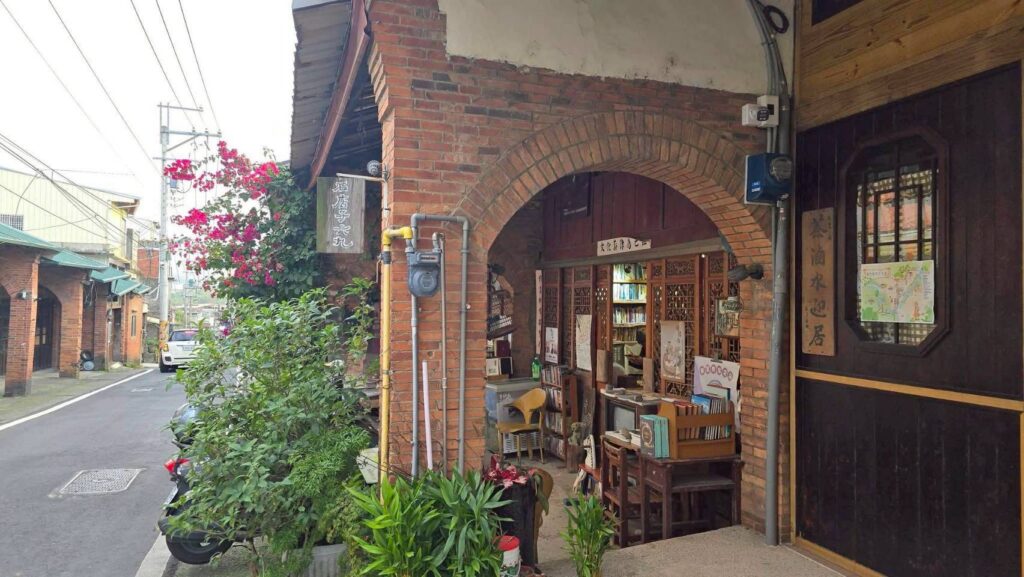
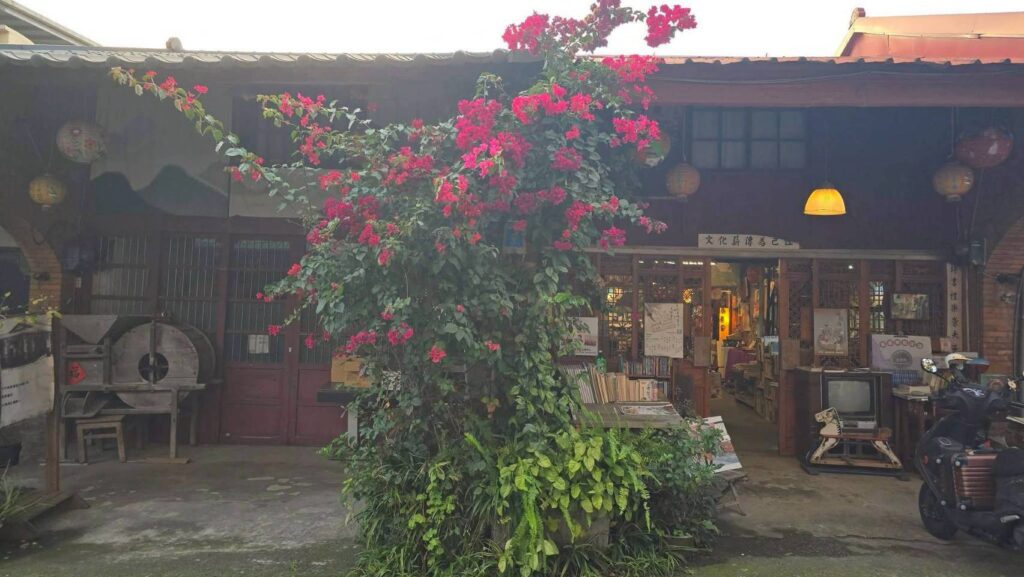
By happy coincidence, he rented a Shidianzi old house more than a hundred years old, preserving the rustic charm of its rammed-earth walls and red bricks. Lu found that secondhand books are in an awkward position in modern society: libraries decline donations because of budgets, and recycling yards treat them as waste paper. He lamented: “If a book’s life ends at the recycling yard, it is a tragedy for culture.”
So he decided that this bookstore would “only exchange books, not sell them.” For every book exchanged, visitors can drop in a symbolic NT$20 as a token of support for upkeep. This simple “organic” cycle became the starting point of an experiment in local revitalization, bringing a commercial district from 60 years ago back to life in the modern age.
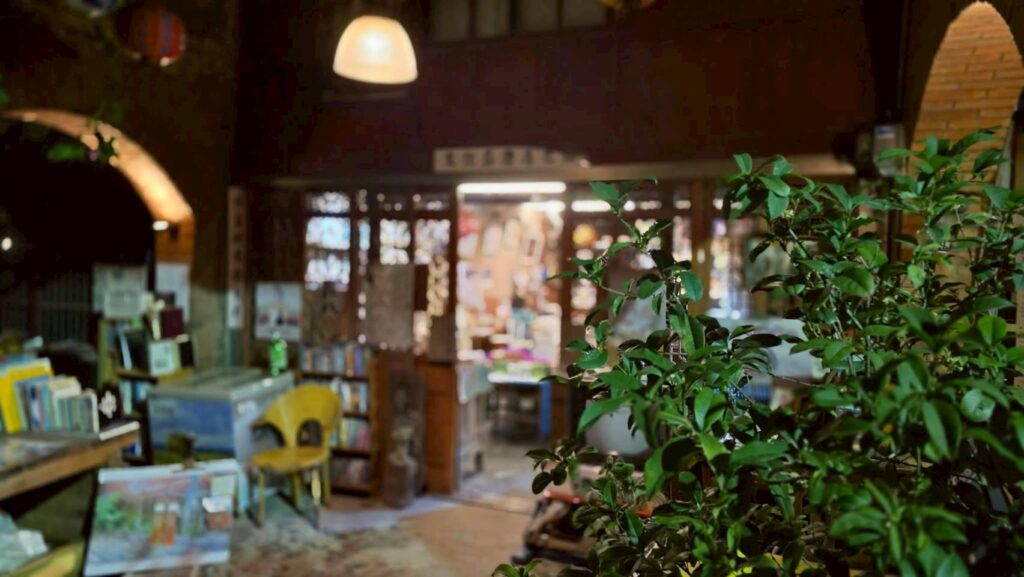
Chapter 2: The Many Roles in Local Revitalization: More Than a Bookstore
“Organic” means that seeds keep sprouting and growing. In Lu Wen-chun’s vision, the organic bookstore plays several crucial roles in local regeneration:
1. A cultural transfer station and arts salon
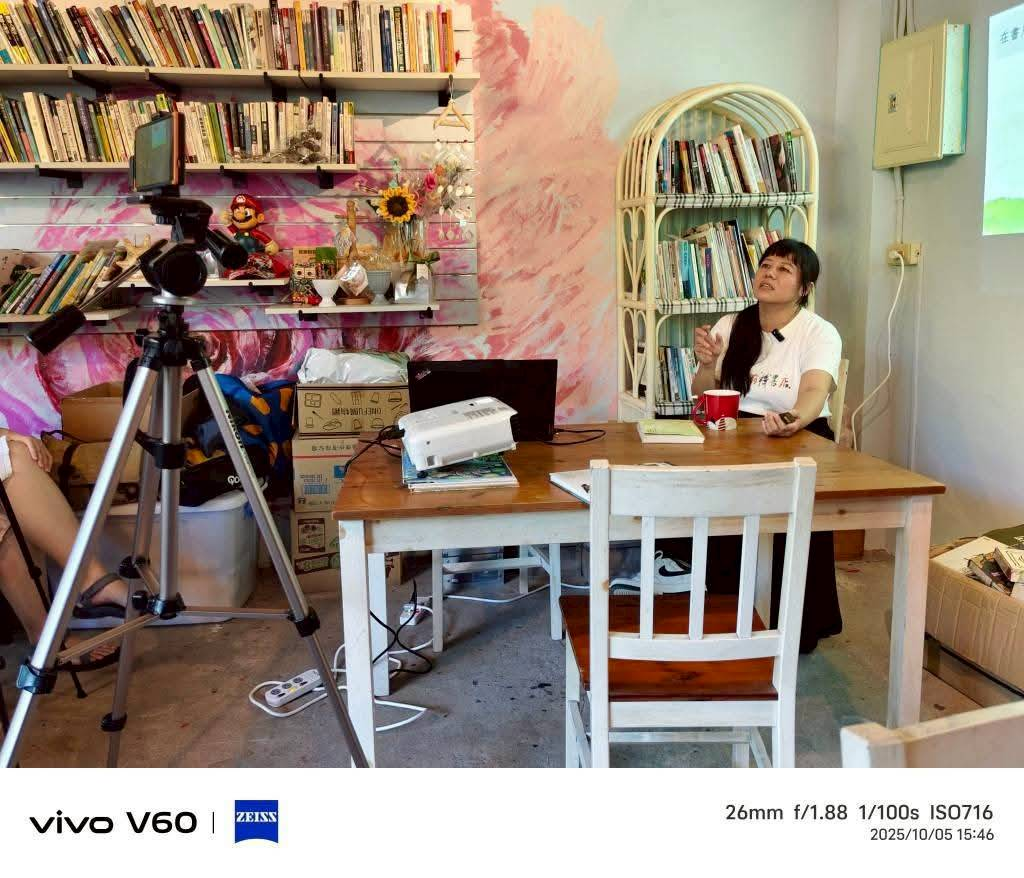
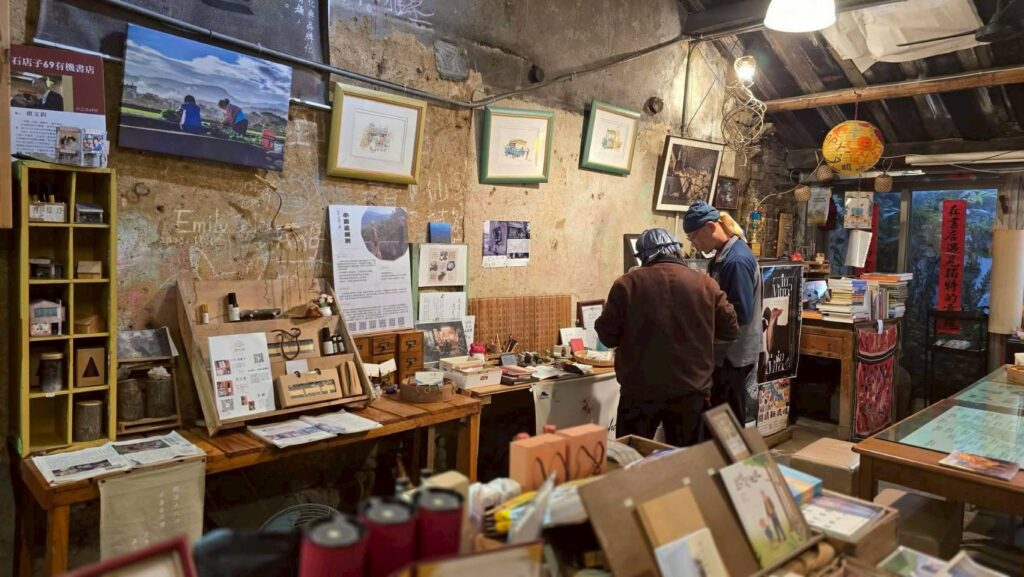
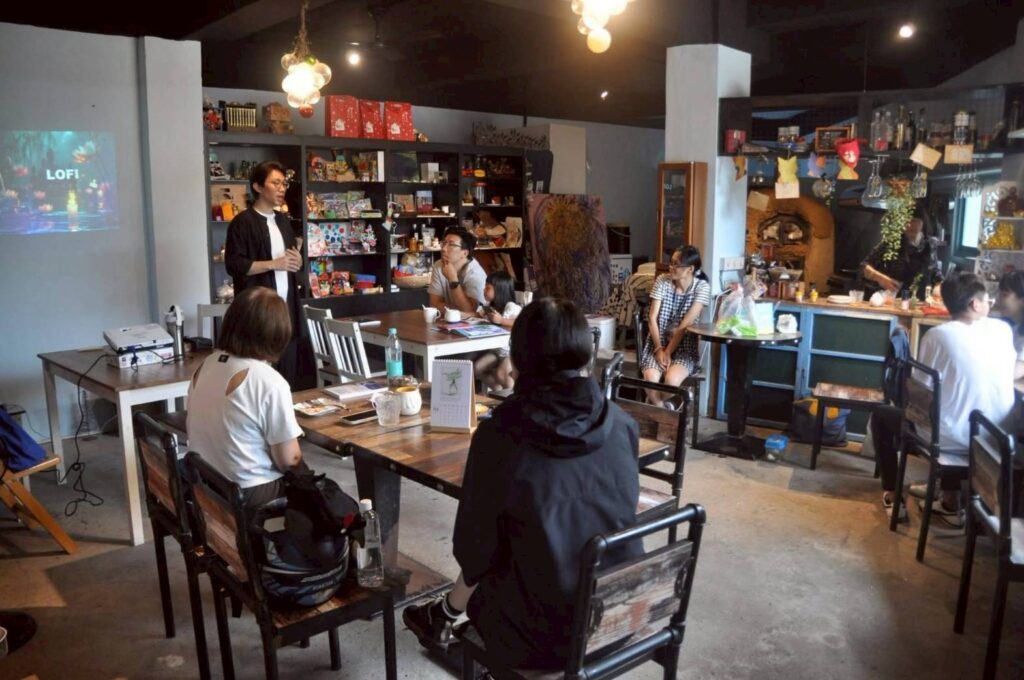
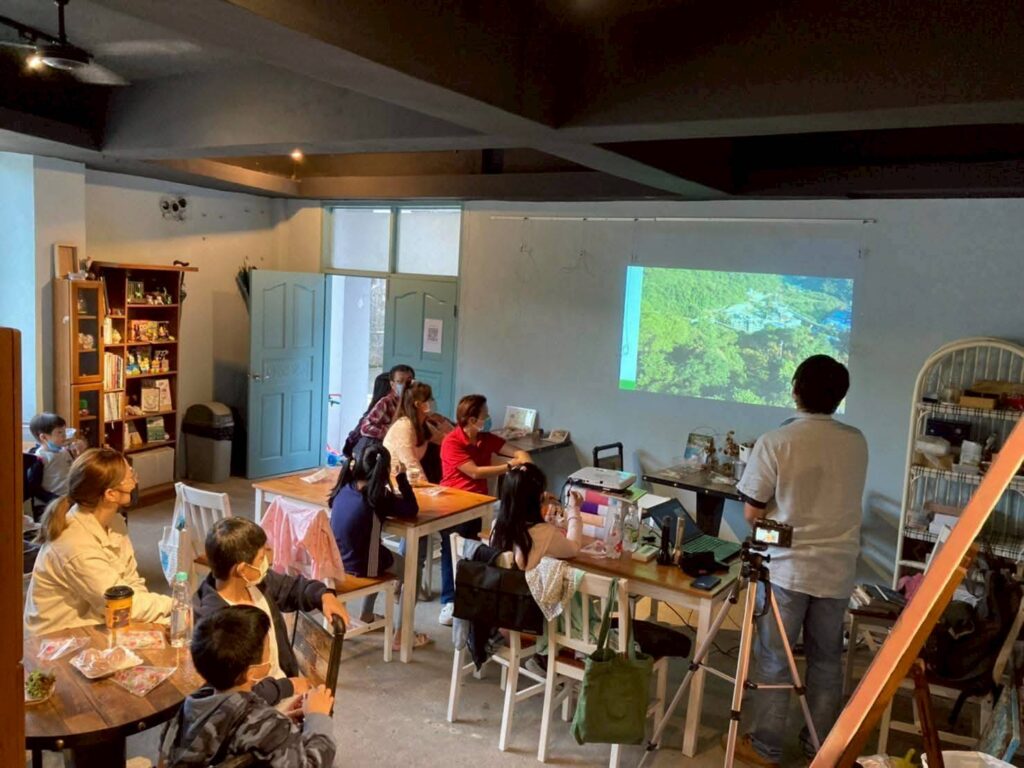
The bookstore is not just a static reading space but a community arts center. By hosting concerts, book launches, documentary screenings and showcases of artworks, it draws talent and artistic energy that had drained away back to the old streets of remote villages.
2. A micro point of contact for social welfare
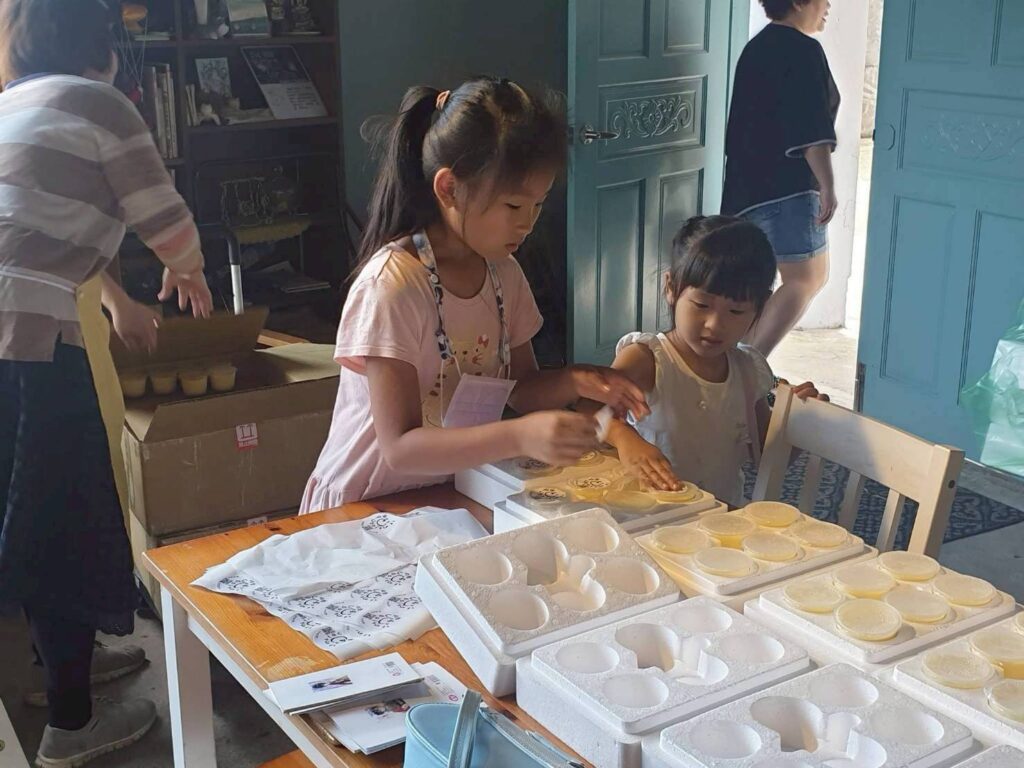
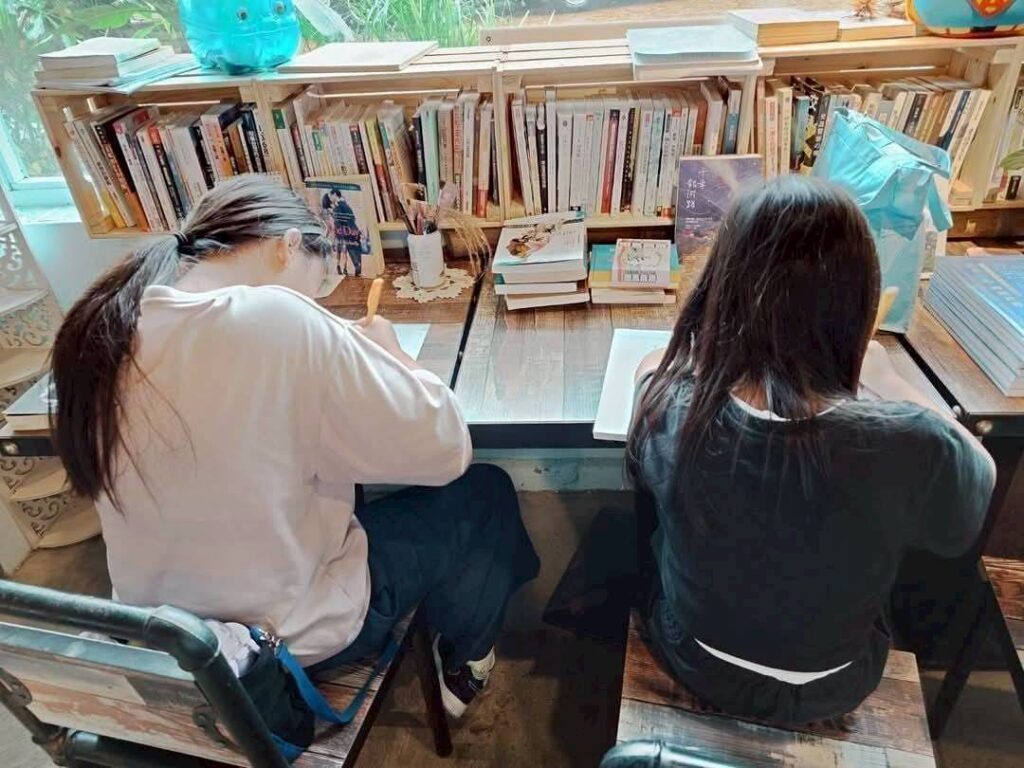
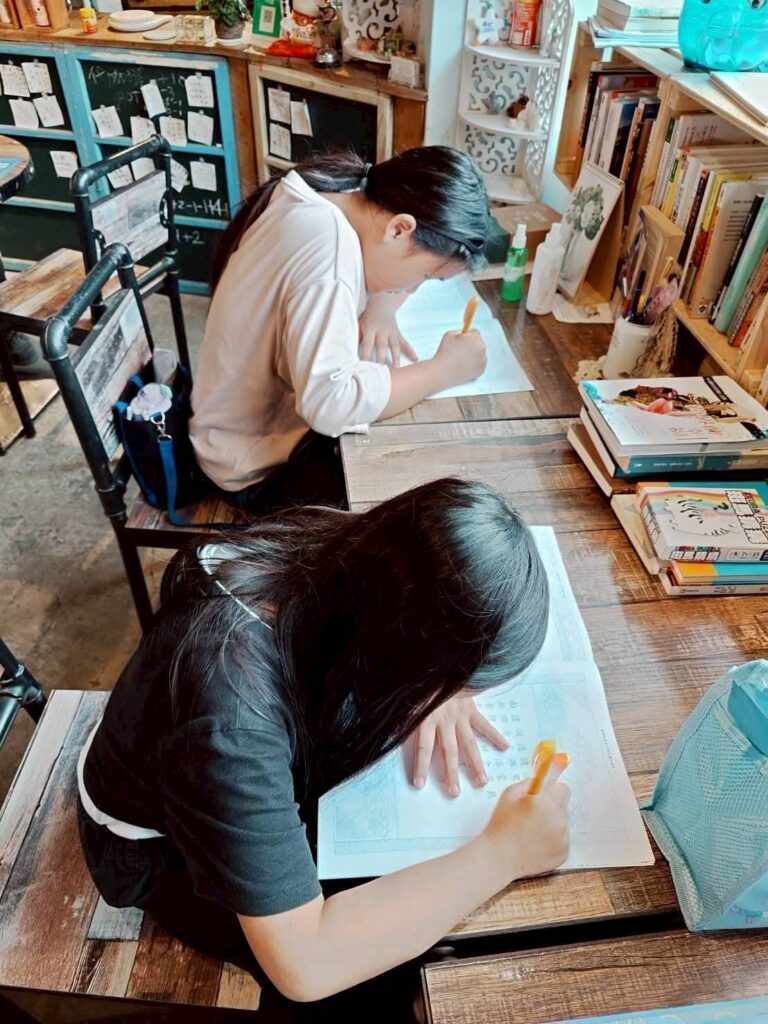
In remote areas, the organic bookstore takes on part of the mission of an after-school center. It gives disadvantaged children a place to go after school and hosts parent-child reading fun and storytelling by volunteer mothers, becoming a stabilizing social force in a turbulent world.
3. Life mentors across generations
The most touching sight in the bookstore is its “people.” Lu Wen-chun invites community elders aged 60 to 80 to help mind the shop, so that they no longer just watch TV at home but chat with visitors and introduce local culture. When elders feel “needed,” this renewal of their sense of worth is more effective than any long-term care policy.
Chapter 3: The Art of Survival: Sustaining Books Through Guesthouses and Local Ties
“Sentiment” without economic support will eventually wither. Lu Wen-chun analyzes the way to survive with cool clarity: the real economic lifeline of the organic bookstore is the “guesthouse,” which accounts for eighty percent of income.
It is a very wise kind of commercial transformation:
- A showcase for small farmers and cultural-creative goods: Lu Wen-chun helps small farmers repackage their products, turning the bookstore into a sales and display channel for local value (such as tea, rice and dried fruit).
- Guide training: He nurtures local guides, so that through “mini-trips” visitors can see scenes Google Maps cannot show, such as women washing clothes by the stream or the stories of old houses.
Chapter 4: ESG in Practice: A Global Network With No Franchise Fees
The expansion model of the organic bookstore rejects the traditional chain franchise. Lu Wen-chun charges no royalties; as long as someone is willing to revive an old house, he provides one thousand starter books free of charge.
He sees himself as a “mentor,” making the bookstore modular so that each one can grow naturally according to its local character. So far, nearly 50 locations have grown across Taiwan (including the organic bookhouse on Gongliao Old Street), reaching even Japan and the United Kingdom. This resource sharing and emotional resonance has overcome the hardest cost barrier for social enterprises and put the ESG spirit of sustainable development into practice.
Closing: May This Bookish Fragrance Warm the World, Organically
The organic bookstore experiment proves that when we put “benefiting others” before “benefiting ourselves,” local resources instead gather more organically. Lu Wen-chun is not only an entrepreneur with a rational mind but also an emotionally attuned social engineer, delivering the nutrients of culture to the driest corners of society.
If you are interested in cultural creativity and local regeneration, the next time you see that familiar wooden “Organic Bookstore” sign in an unfamiliar town, remember to step inside. Swap a book, swap a story, and take part in this gentle revolution that turns the world upside down.
We will soon invite the founder, Mr. Lu, to share his original intention and the journey of his heart along the way;
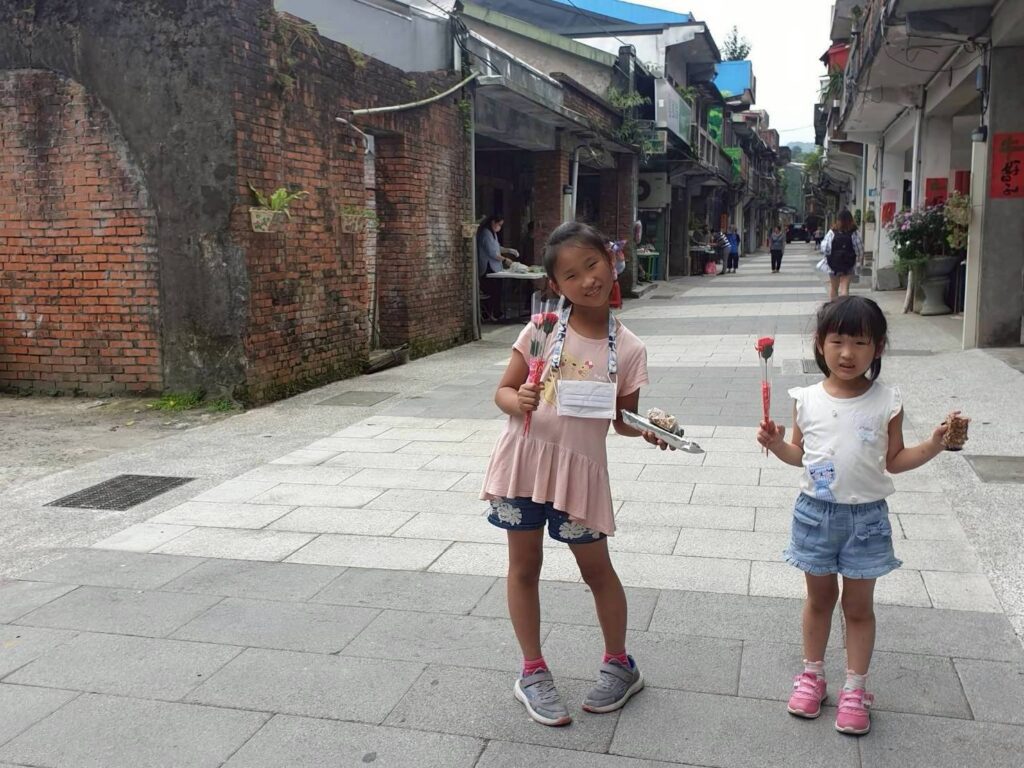
Flipping through old albums on my phone, I found that quite a lot of my children’s growing-up years were also spent at the organic bookstore in Gongliao!
Related Resources and Further Reading
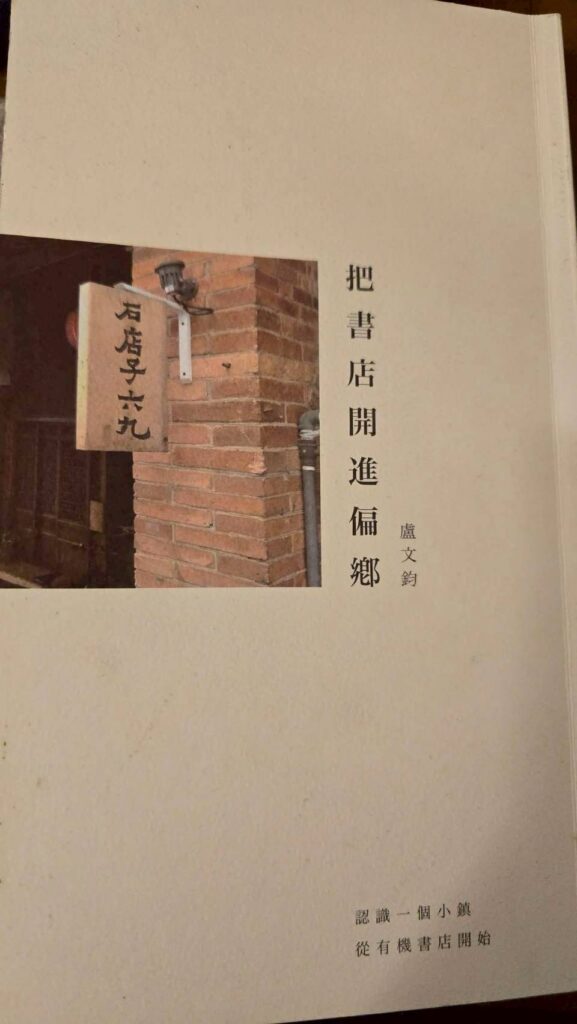
To understand the founder’s full philosophy in depth, we recommend reading “Bringing Bookstores to Remote Areas,” Volume 1 (Getting to know a town through an organic bookstore) and Volume 2.
- Part 1 of this series: Gongliao Organic Bookstore | Opening a Bookstore in a Rural Town, Part 1