“Joyful harmony, a fresh atmosphere”
[Nara Yakushi-ji, Part 3]
[A Thousand-Year Witness to the Sea of Lapis Lazuli Vows: Nara’s Yakushi-ji, from World Heritage Site to an Epic Rebuilt with the Tip of a Brush]
[The principle of Yogacara re-encodes a mind once clouded with dust into a state as clear within and without as lapis lazuli]
[The Million Sutra-Copying Campaign] and the words “Every sutra copied is one more foundation stone for rebuilding the temple halls”
[Nara’s Medicine Buddha, Kichijoten and the wooden amulets]
Pure Land Beneath the Deep Blue: Nara’s Yakushi-ji

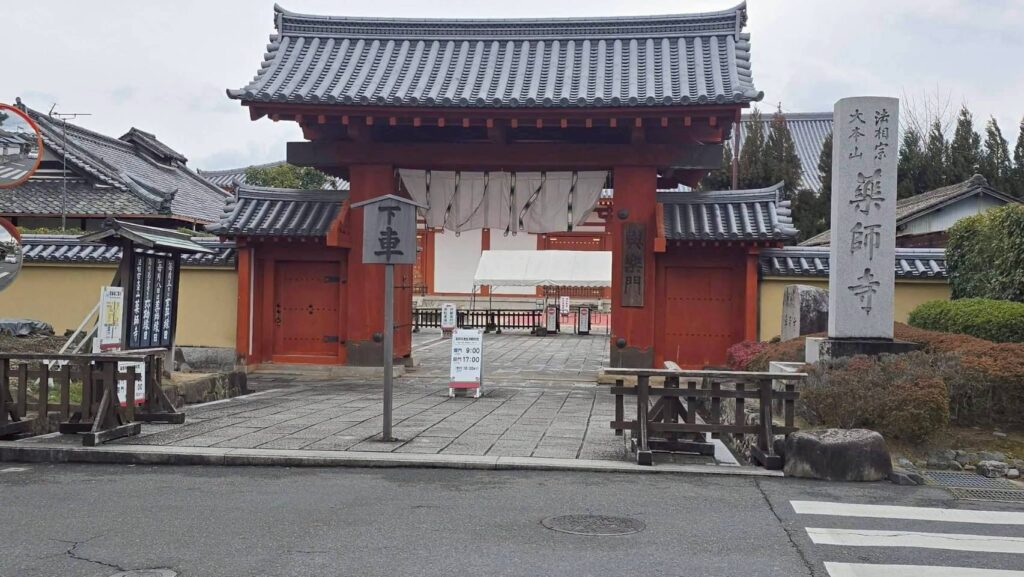
In Nishinokyo, in the ancient capital of Nara, stands a sacred place where vermilion halls and ancient green pines intertwine. There are no noisy herds of deer here, only a stillness that has lasted a thousand years. This is Nara’s Yakushi-ji.
It is a World Cultural Heritage site that blends the Yogacara lineage of Xuanzang, the architectural aesthetics of the Hakuho period, and the vow-power of countless people copying sutras.
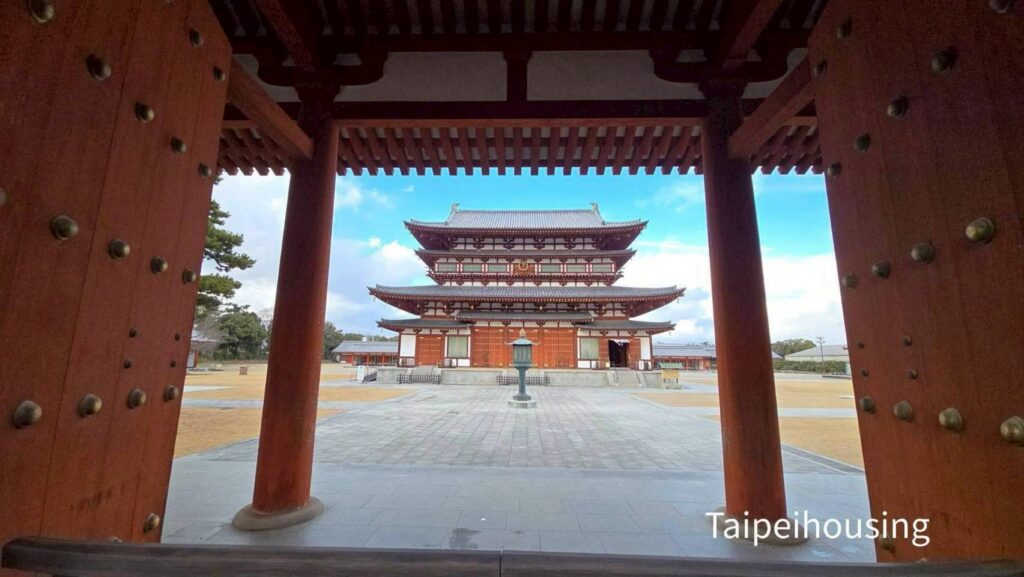
1. The Backbone of History: From Hakuho Legend to World Heritage
Yakushi-ji began with a heartfelt prayer. In 680, Emperor Tenmu, grieving over his beloved wife’s illness, ordered this temple of the “King of Healing” to be built in Fujiwara-kyo.
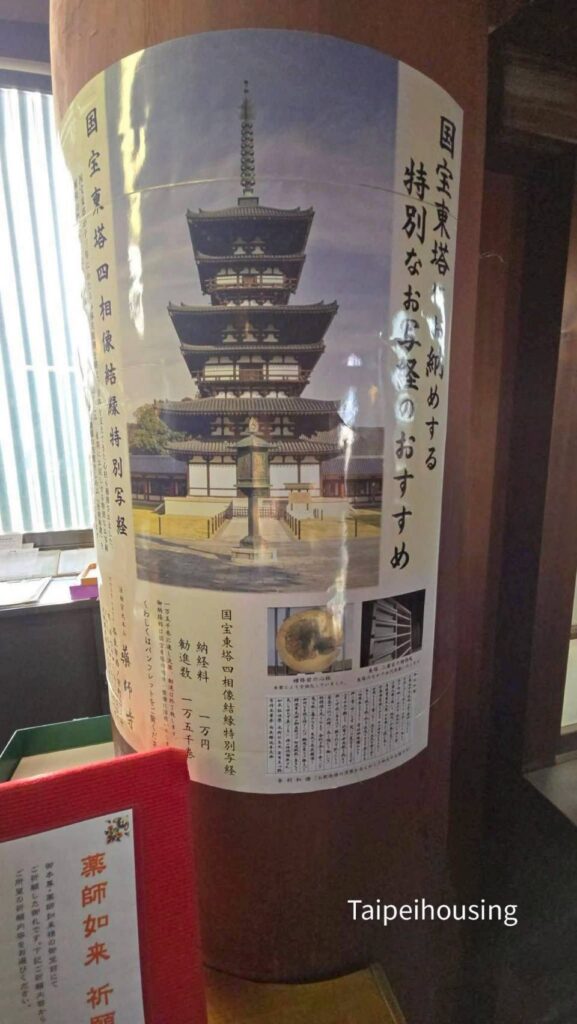
A world-class wooden wonder: Inside the temple, the most striking sight is the East Pagoda, the only building to survive a thousand years of war. This national treasure, built in 730, uses a distinctive “mokoshi” (skirt roof) design that creates the illusion of a six-story pagoda, and is praised as “frozen music.”
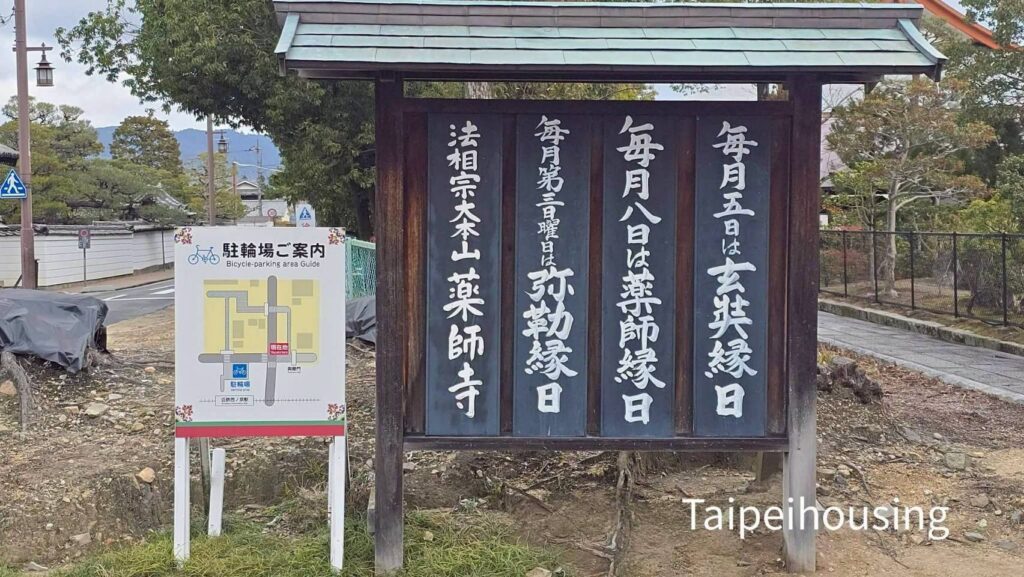
The soul of the Hosso school: As the head temple of Japan’s Hosso (Yogacara) school, it enshrines a relic of the skull of the great master Xuanzang. Yakushi-ji is not only an architectural treasure but a living fossil of the doctrine that “all phenomena are consciousness only.” It reminds every visitor that transforming the mind is where healing begins.
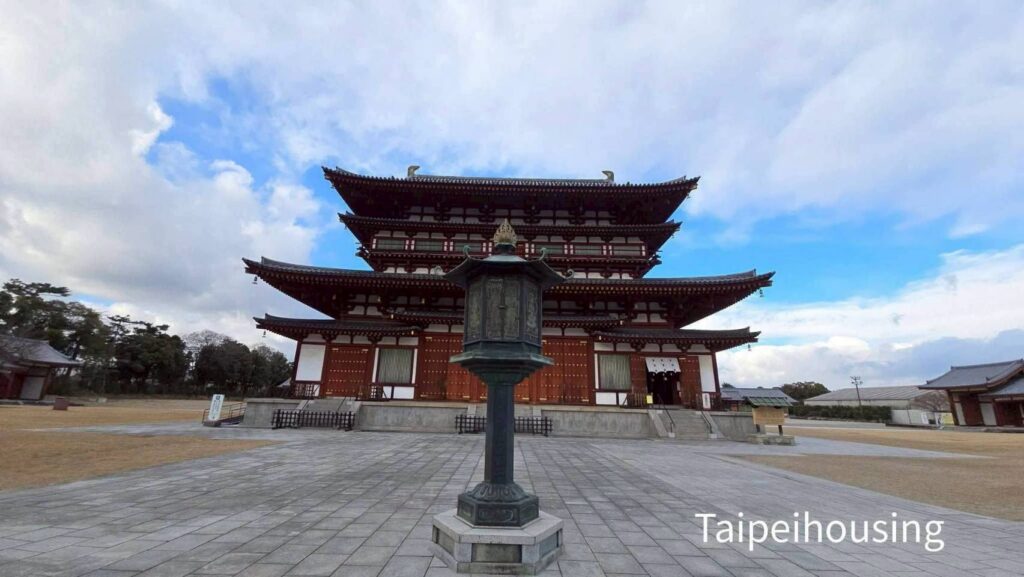
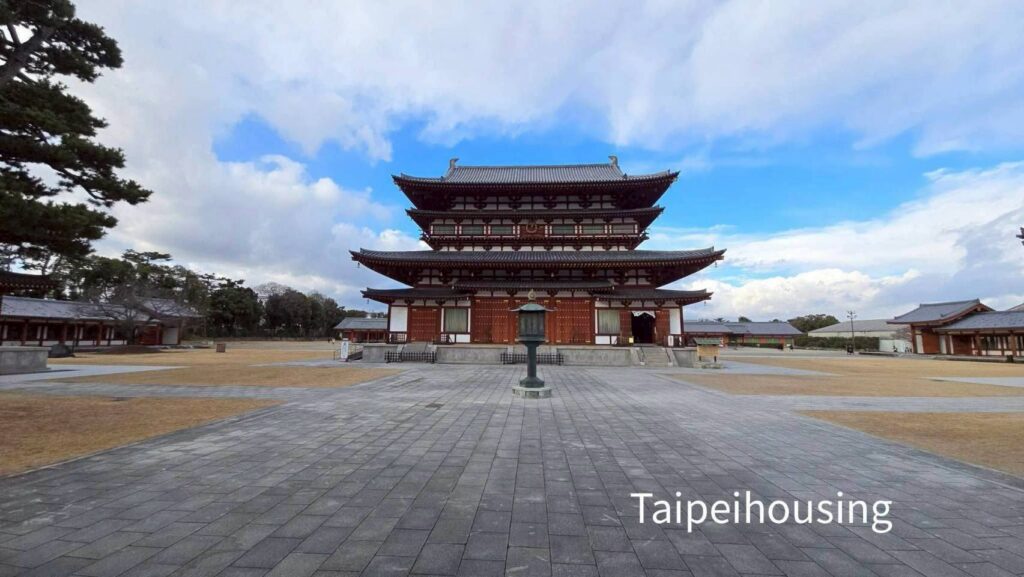
2. Rebuilding with the Tip of a Brush: The Moving Legend of “Building a Temple with Sutras”
The most moving part of Yakushi-ji’s history lies not in the donations of ancient emperors but in the heartfelt vow of ordinary people in modern times. The temple suffered several fires over the centuries, and by the mid-twentieth century most of its magnificent halls had turned to scorched earth, leaving only the East Pagoda standing alone.
1. Abbot Takada Koin’s Great Vow
In 1967, the former abbot Takada Koin, facing a temple that looked like a ruin, made a startling decision: he refused large government subsidies and declined a single huge donation from a corporate group. His argument was: “Yakushi-ji was built to heal all beings, so it should be rebuilt through the sincerity of the people.”
2. The Million Sutra-Copying Campaign
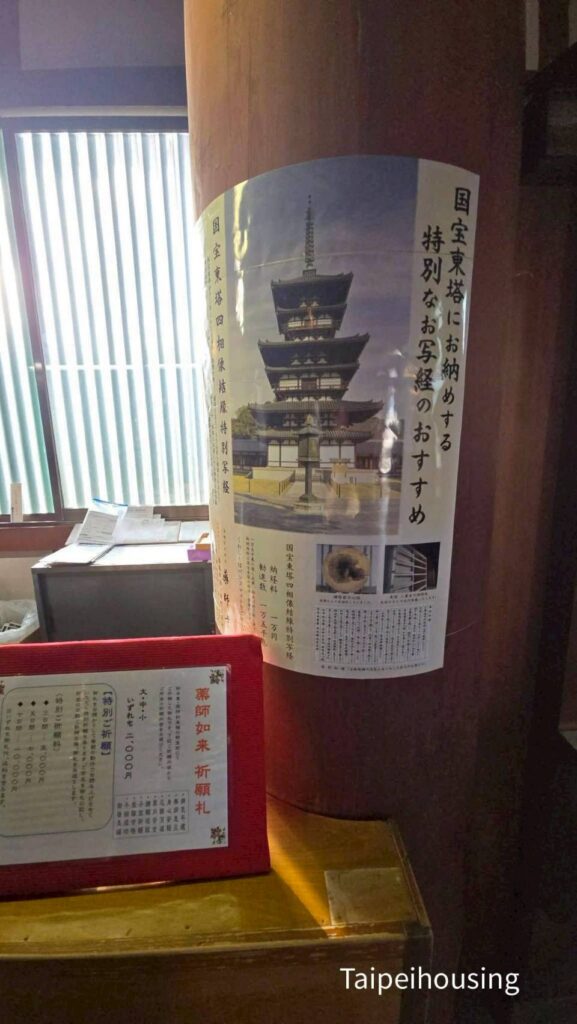
He launched the “Million Sutra-Copying Campaign,” which shook Japan, calling on every believer to copy a sutra by hand and donate the offering fee as funds for building materials. He traveled the whole country giving talks, and his words “Every sutra copied is one more foundation stone for rebuilding the temple halls” moved countless people.
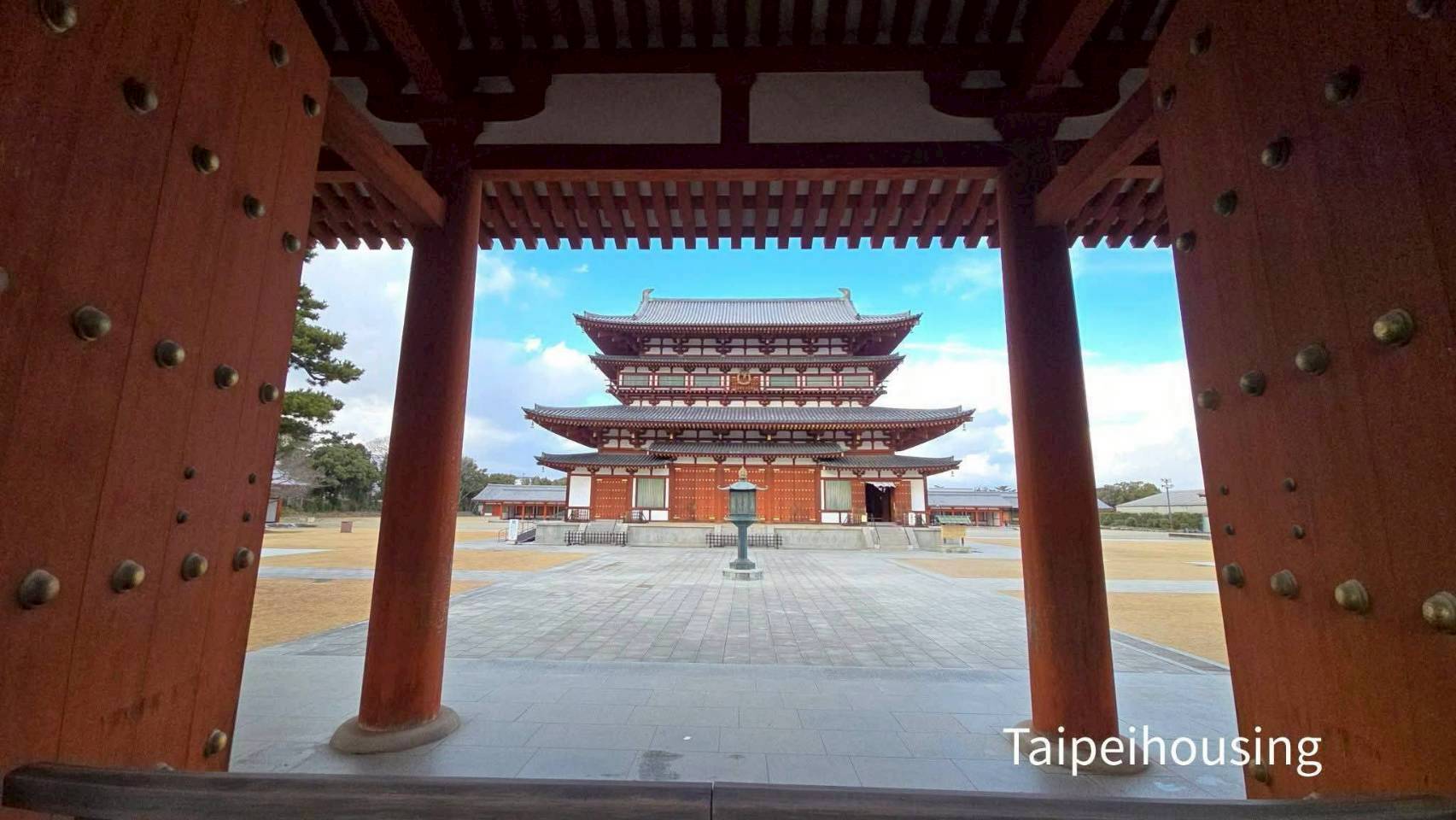
It was this small vow-power of “one person, one heart” that raised the Kondo, the West Pagoda and the Lecture Hall one after another. At the base of each majestic hall, the sutras copied by believers are sealed permanently, symbolizing that the temple halls are held up by the vow-power of countless people.
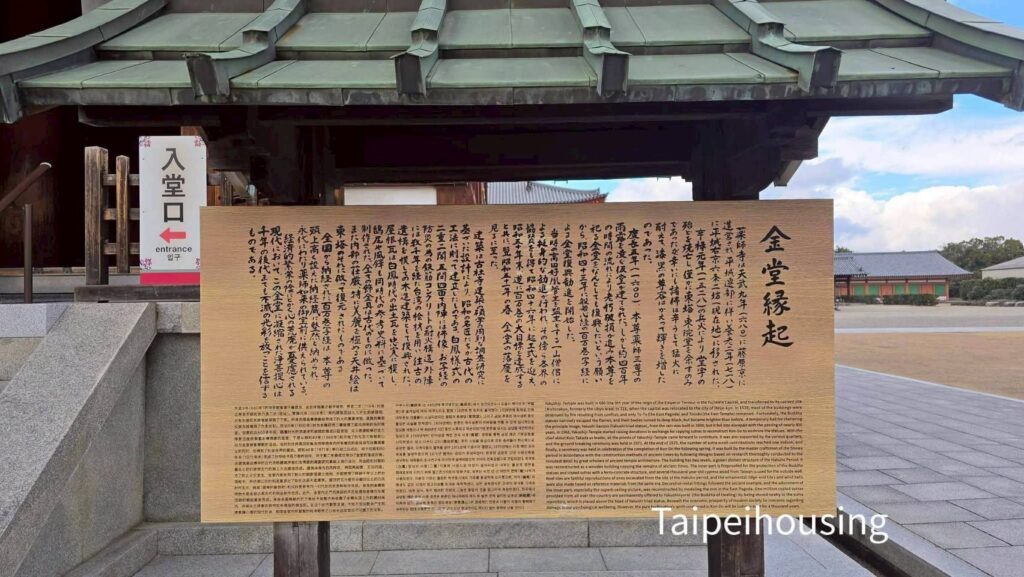
3. Sutra Copying Today: Stepping into a Mandala of Vows
Today, Yakushi-ji has become a sacred place of sutra copying that believers around the world long to visit. Here, sutra copying is not just calligraphy but a sacred ritual.
A dedicated space: the sutra-copying hall (Shakyodo)
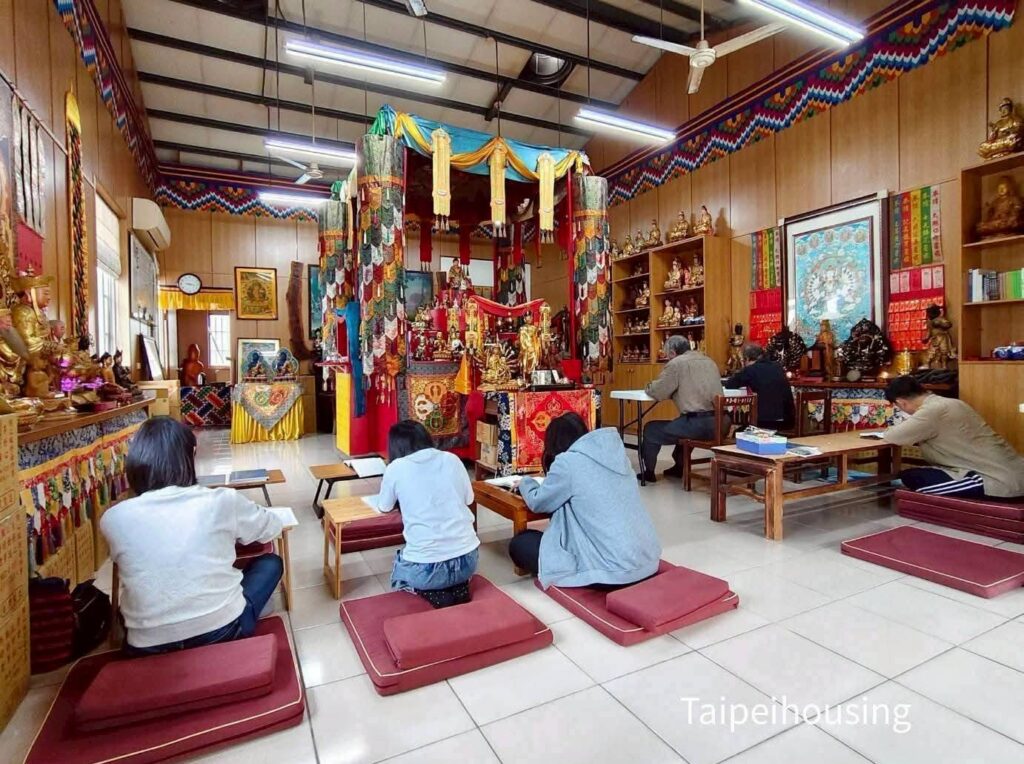
Yakushi-ji has an extremely solemn, dedicated sutra-copying hall. The scent of ink lingers there all year round, and the quiet, dignified setting allows many believers to write in stillness at the same time.
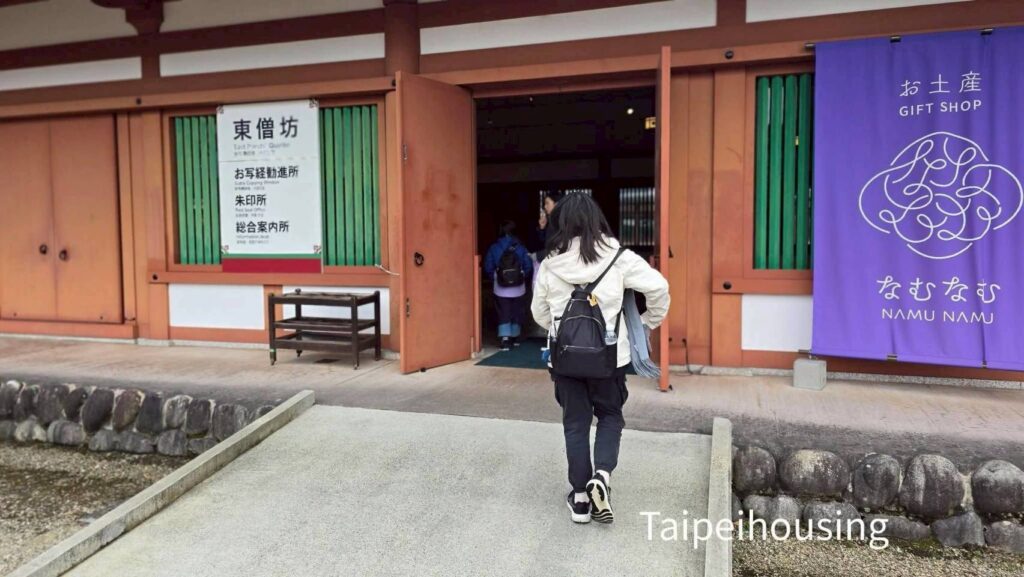
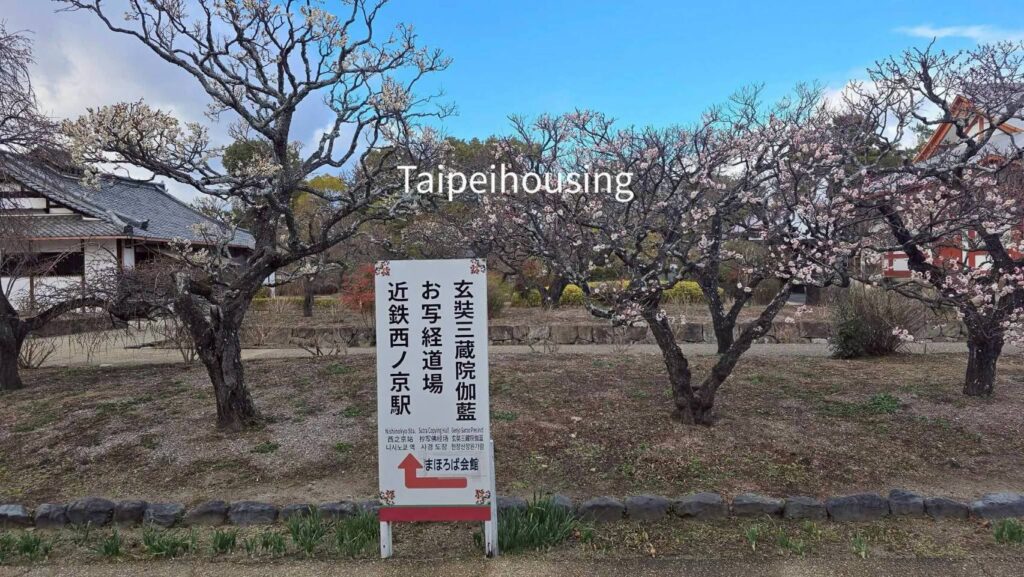
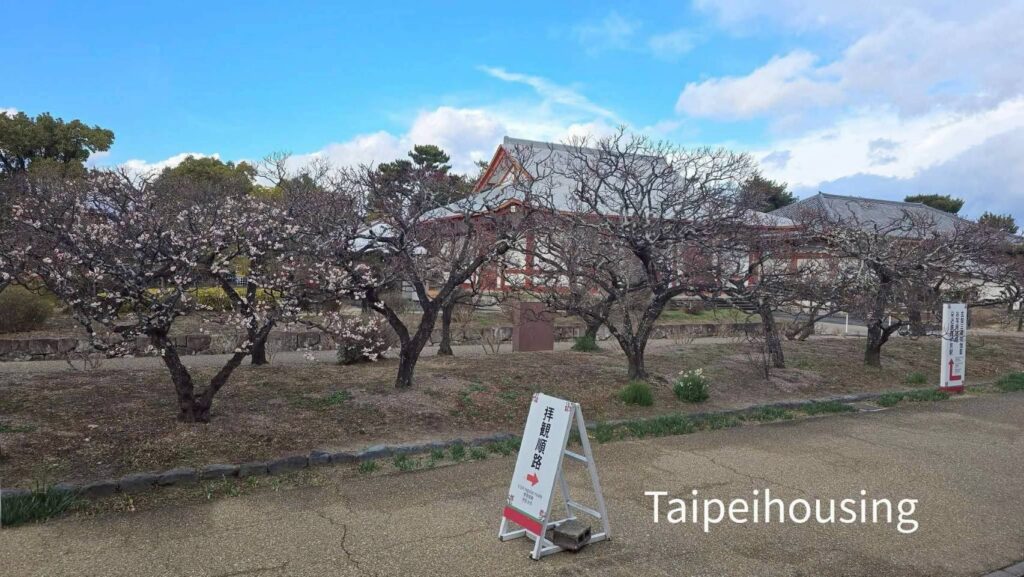
The sacred sequence
- Purify body and mind: Before entering the copying room, you wash your hands with sprinkled water according to ancient custom.
- Hold the clove in your mouth: You receive a fragment of fragrant wood called “choji” (clove) and hold it in your mouth, symbolizing pure speech and a mind that does not scatter.
- Take up the brush and contemplate: Sitting calmly at the low desk, you take up the brush and face the same words as in Master Xuanzang’s translation of 1,300 years ago.
The permanence of the offering
A completed sutra can be offered as an “nokyo” (sutra offering), which the temple keeps permanently inside the temple hall. This is regarded as forging a bond with the Medicine Buddha that transcends time and space.
4. Kichijoten and the Sacred Wooden Amulets: Everyday Protection and Merit
Among the solemn array of Buddhist images at Yakushi-ji, the national treasure Kichijoten (the goddess of fortune) is a gentle presence. This goddess, representing the peak of Tang-dynasty aesthetics, embodies the “provisions of merit” in the Medicine Buddha path.
The thousand-year repentance rite
The “Kichijoten Keka” rite held at Yakushi-ji every year symbolizes purifying the mind through repentance. In the Hosso view, the wish-fulfilling jewel in Kichijoten’s hand is the seed that can fulfill the wishes of all beings.
The special wooden amulets
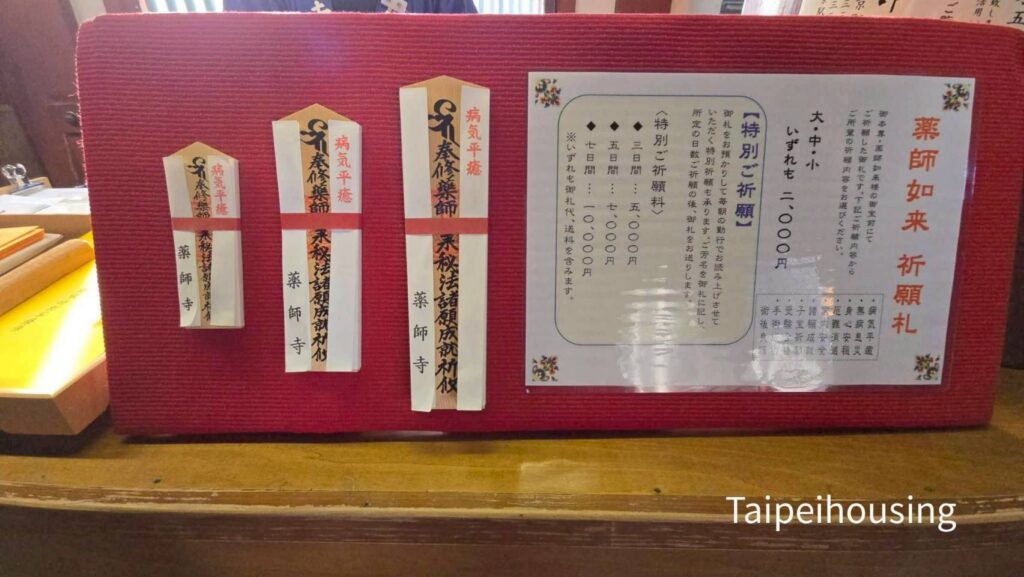
The wooden amulets sold at Yakushi-ji are especially auspicious. Because the temple’s reconstruction used a great deal of thousand-year-old cypress, these sacred woods are believed to carry great vitality and spiritual power.
The wooden amulets are mostly made from timber of the same origin as the buildings, and carry a warm fragrance when touched. Wood stands for “vitality” and “stability”: the Medicine Buddha’s healing power is like an ancient tree taking root, while Kichijoten’s merit flourishes like branches and leaves, warding off misfortune and inviting good fortune for the wearer.
Yogacara and Copying the Medicine Buddha Sutra: A Practice of Transforming Consciousness
In the tradition of Nara’s Yakushi-ji, “Yogacara (Vijnapti-matrata)” and “copying the Medicine Buddha Sutra” are not two separate things but one deep practice of “transforming consciousness.”
As the head temple of the Hosso (Yogacara) school, Yakushi-ji’s sutra-copying practice carries an extremely rigorous psychology and logic of practice.
From the viewpoint of Yogacara, here is the deeper connection with copying the Medicine Buddha Sutra:
1. “Transforming consciousness into wisdom” in action
The core of Yogacara is “transforming consciousness into wisdom”: turning deluded “consciousness” into pure “wisdom.”
The process of copying: When we sit down in Yakushi-ji’s sutra-copying hall and bring the brush to the text, it is a powerful process of “perfuming” (vasana). Through the eyes on the sutra (form), the hand on the brush (touch) and the heart reciting the Buddha’s name (mental objects), we keep planting pure seeds in the “alaya consciousness” (the eighth consciousness).
The connection: The Medicine Buddha’s twelve great vows are pure seeds. Every character written covers over the defiled seeds of illness, poverty and fear in the alaya consciousness.
2. Counteracting “imputed nature” (parikalpita)
Yogacara holds that suffering comes from “imputation and clinging,” that is, attachment to illusory external objects.
The focus of copying: Yakushi-ji asks for extreme concentration while copying, even holding “choji” in the mouth to keep silent. This intense gathering of the mind allows the “manas” (the seventh consciousness), which normally keeps reaching outward, to rest for a while.
The connection: As the brush moves, the practitioner discovers that so-called “illness” or “affliction” is only a manifestation of consciousness. When the mind settles in the lapis-lazuli light of the sutra, the clinging to suffering (what is clung to) gradually fades, and one comes to feel the stillness of the “perfected nature” (parinispanna).
3. Accumulating “good seeds” at the stage of provisions
Among the five stages of practice in the Hosso school, the first is the “stage of provisions.” The Medicine Buddha path emphasizes “whatever one wishes for will be fulfilled,” which fits perfectly with Yogacara’s emphasis on accumulating seeds of good karma.
The connection: The worldly benefits mentioned in the Medicine Buddha Sutra (long life, wealth, rank) are, from the Yogacara view, meant to give practitioners an external environment of “abundant resources,” so that they have better conditions for higher-level Yogacara contemplation. Copying the sutra is the fastest way to accumulate these “good seeds” as provisions.
4. The Yakushi Triad and contemplating “dependent nature” (paratantra)
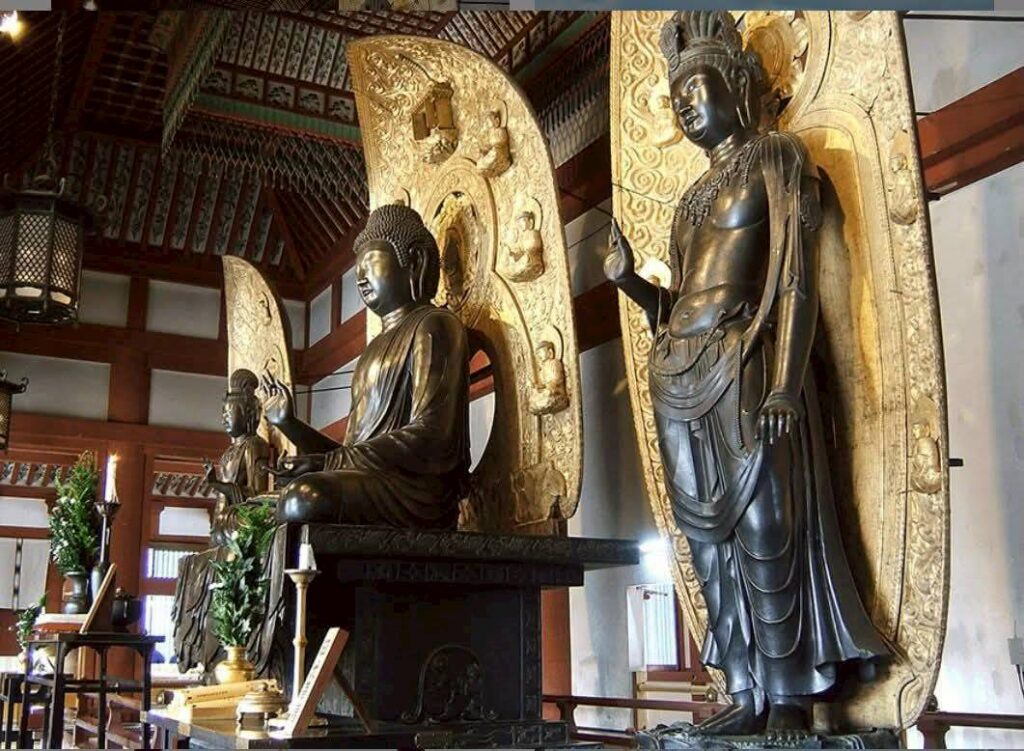
The Yakushi Triad in Yakushi-ji’s Kondo: the Sunlight Bodhisattva represents “the light of wisdom,” and the Moonlight Bodhisattva represents “the coolness of concentration.”
The connection: When copying, the left hand holds the scroll and the right hand holds the brush, which is balancing concentration and wisdom. Yogacara stresses that all phenomena arise “dependently,” so through the “condition” of sutra copying, the transparent, pure, lapis-lazuli-like nature within is drawn out. This is why Yakushi-ji sees copying sutras as being on the same plane as rebuilding the temple halls (the outer environment) and rebuilding the mind (the inner environment).
Summary: copying sutras as “programming the mind”
At Nara’s Yakushi-ji, copying the Medicine Buddha Sutra is not only about seeking blessings; it is a kind of “programming of the mind.”
As the teaching handed down by Xuanzang, master of the Hosso school, says: “When the mind arises, all phenomena arise.” When you write the three characters for “lapis lazuli light” in Yakushi-ji’s sutra-copying hall, you are applying the principle of Yogacara to re-encode a mind once full of dust into a state as clear within and without as lapis lazuli.
Closing: Bring a Ray of Lapis Lazuli Light Home
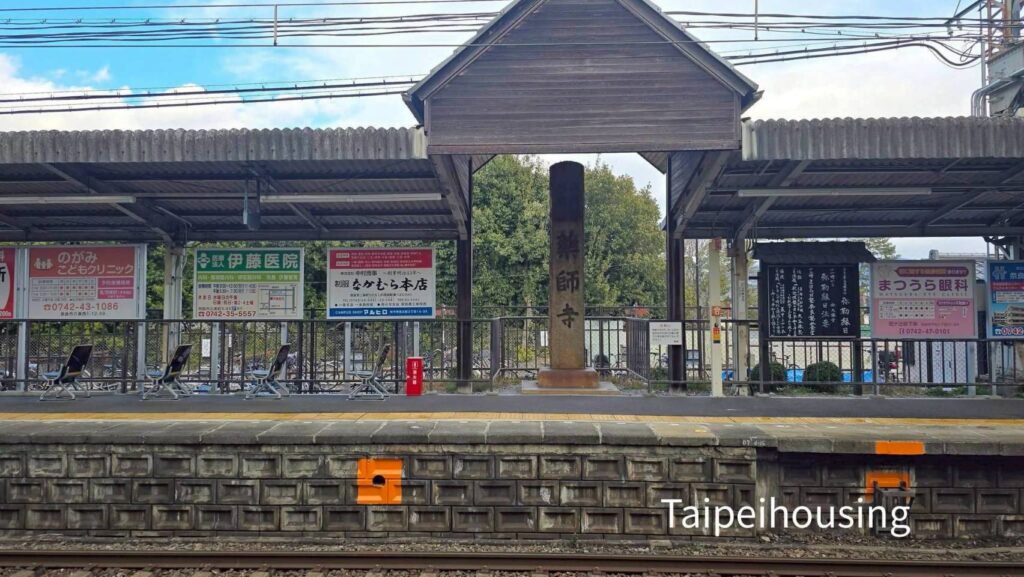
Nara’s Yakushi-ji is not only a historical heritage site but a “factory of the spirit” that spans time and space. When you step out of Nishinokyo Station and walk toward those vermilion halls, you are not just sightseeing; you are taking part in a work of compassion that has lasted a thousand years.
Whether it is the single stroke you set down in the sutra-copying hall or the Kichijoten amulet in your pocket with its scent of cypress, each stands for the Medicine Buddha’s promise that “whatever one wishes for will be fulfilled.” That deep blue lapis-lazuli light will shine from under Nara’s starry sky, all the way to illuminate the tathagatagarbha.
The spirit of sutra copying that began in Nara is now crossing the ocean, to carry on together the tradition of “entering the sea of vows with the tip of a brush.”

The Merit and Karmic Connection of Sutra Copying
Sutra copying is said to have begun around the first or second century BCE. Among the ten great vows of Samantabhadra Bodhisattva, the highest offering is the “offering of the Dharma,” and copying scriptures is the most representative such offering, carrying a profound meaning of benefit both for oneself and for others.
Why copy the Seven Medicine Buddhas Sutra?
Its special merit lies in the following:
Layered vow-power: The seven Medicine Buddhas together made forty-four great vows, offering all-round protection against illness, poverty, fear and disaster in this life.
🪶 The Vow-Hearts of the Seven Medicine Buddhas
The Medicine Buddha transforms from one Buddha into seven, and the twelve great vows expand to forty-four. The setting of the Seven Buddhas Sutra is the same as the Medicine Buddha Sutra, under the Music Tree in the city of Vaishali, but with the addition of many bodhisattvas, Vajrapani and the Four Heavenly Kings gathering. This shows the Medicine Buddha Sutra moving toward esoteric Buddhism, with five added dharanis. Each of the seven Buddhas has his own mudra and buddha-land, and their vow-hearts protect the whole Dharma realm, with the central theme of “protecting the nation, ending disasters and bestowing peace and joy on all.”
Purifying the mind: As Professor Li Hsiao-kun put it: “Because the writer is sincere, respectful and single-minded, the sutra gives rise to devout, humble and wondrous wisdom.”
Calligraphy and cultivating the mind: Beyond cultivating the mind and praying for blessings, sutra copying adds a layer of art and the steady focus of diligent practice.
With every stroke you set down, that deep blue lapis-lazuli light will rise from within your heart and illuminate the tathagatagarbha, “entering the sea of vows with the tip of a brush.”
Join us in copying the Seven Medicine Buddhas Sutra and entering the sea of vows
Further Reading and Sources
- Part 1 of this series: Nara Yakushi-ji (1): The Beginning of Japanese Yakushi Faith and World Heritage
- Part 2 of this series: Nara Yakushi-ji (2): Lapis Lazuli Pure Land and Yogacara Lineage
- Yakushi-ji official website: guide to the Buddhist images (Japanese)
- LIVE JAPAN: Yakushi-ji (Nara)
- Building details (udn blog, Chinese)
- Social posts: first, second