[Japan’s Three Great Monju]
[From Mount Wutai in Shanxi, China, the sacred seat of Manjushri, to Chion-ji Temple (Monju-do) in Amanohashidate, Japan]
[The Monju by the Aso Sea, like a dragon soaring in the sky]
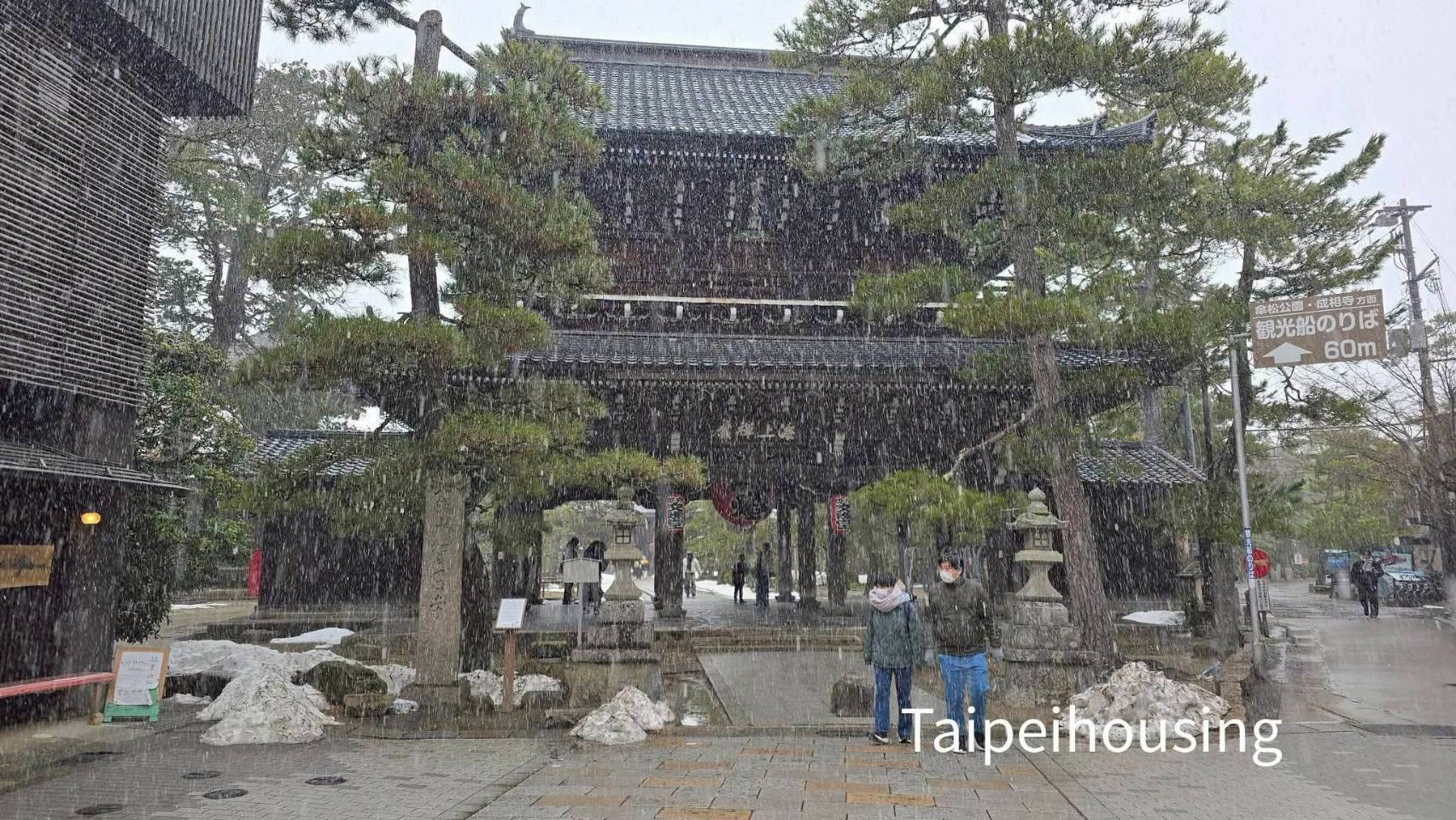
[Paying respects to Manjushri in falling snow]
[Everyone should visit the “Kirito Monju” in the north at least once in a lifetime]
Chion-ji in Amanohashidate and the “Mount Wutai” plaque
Paying respects together to Manjushri (Monju Bosatsu, the Bodhisattva of Wisdom) in falling snow.
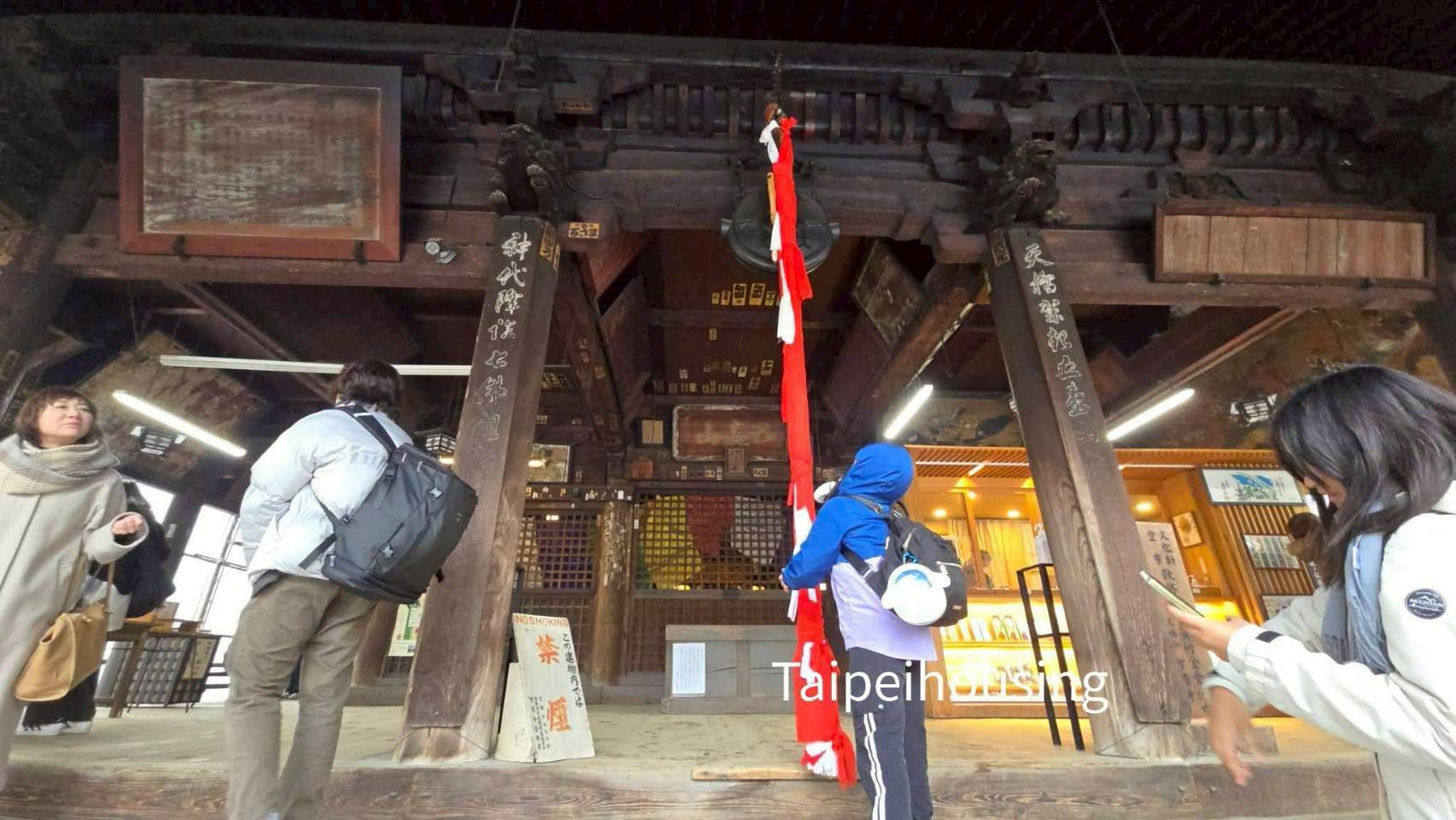
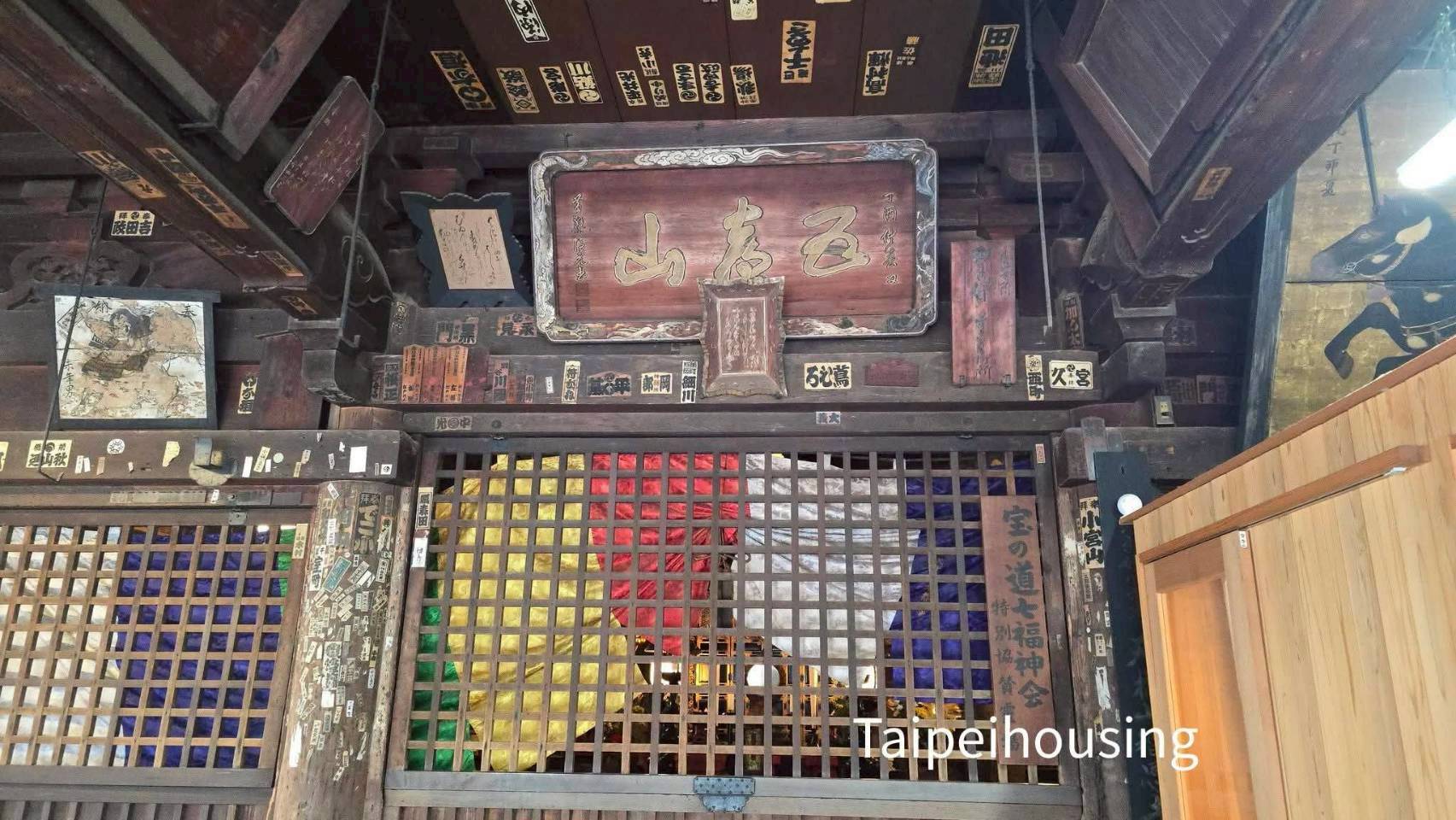
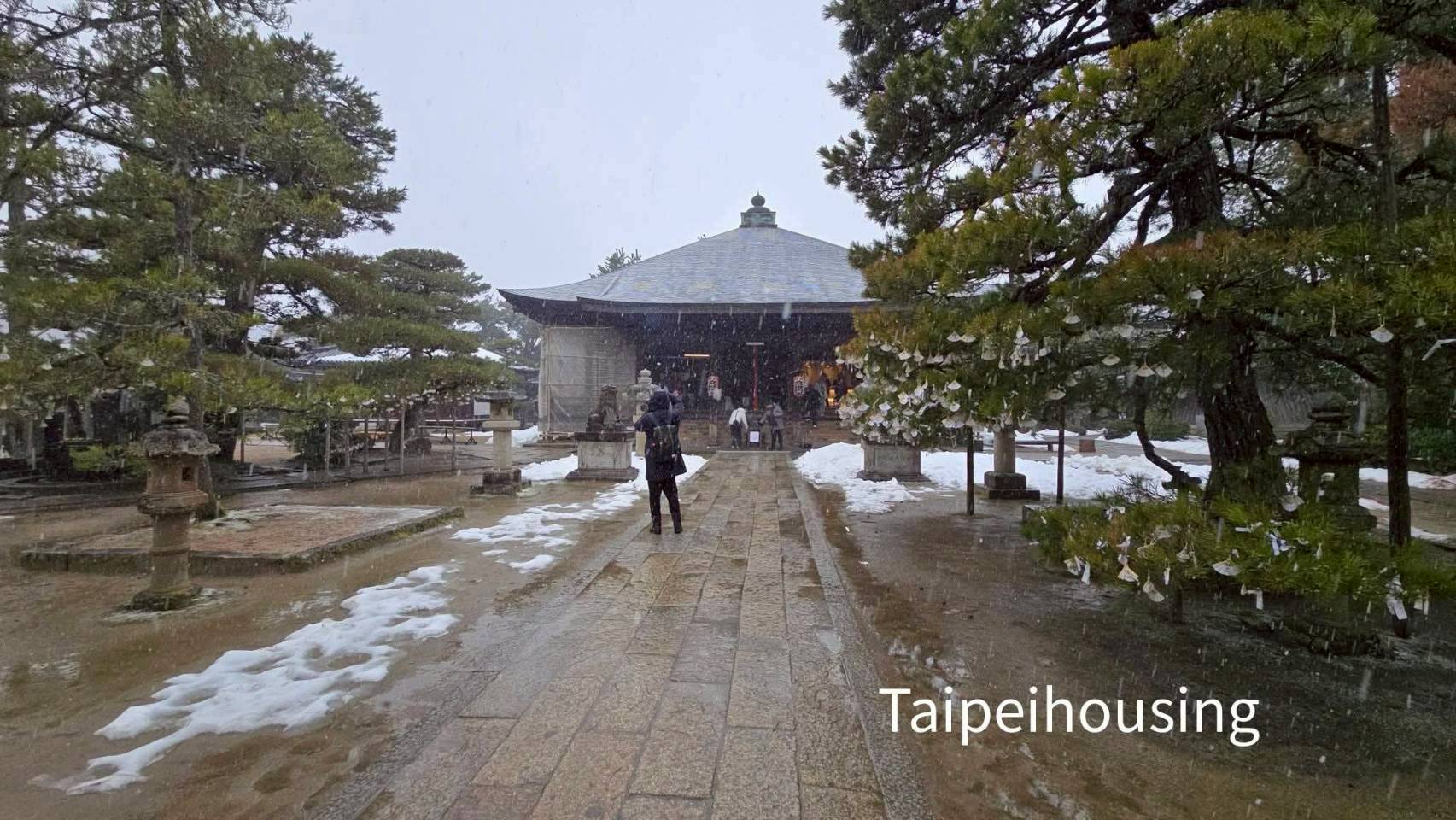
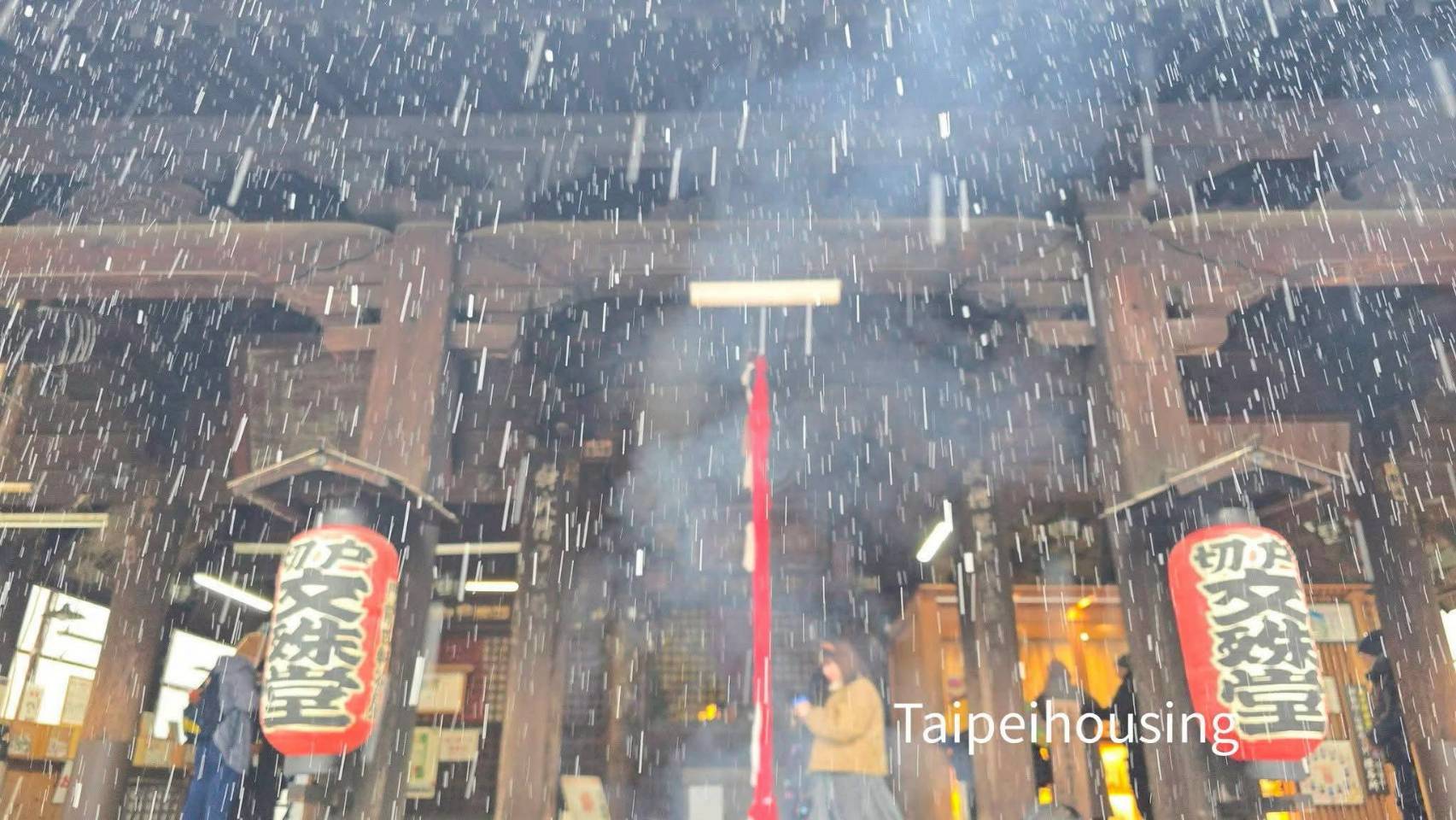
By chance I noticed that Chion-ji in Amanohashidate has a Japanese plaque that looks like “Mount Wutai.” Indeed, on the main hall (Monju-do) of Chion-ji hangs a huge plaque bearing the three characters “五台山” (Mount Wutai).
Three meanings behind the “Mount Wutai” plaque
These three characters carry several deeper religious and historical meanings:
1. A link to Manjushri’s sacred land
Origin: In Buddhist tradition, Mount Wutai in Shanxi Province, China, is recognized as the bodhimanda (dwelling place) of Manjushri.
Symbolism: As one of Japan’s Three Great Monju, Chion-ji displays the “Mount Wutai” plaque to show that it is connected to the ancestral source of Manjushri, meaning this is “the Mount Wutai of Japan.”
2. The legend of the temple’s founding
According to the temple’s records (such as the Kuseto Engi), legend says that in the age of the gods, to subdue an evil dragon that was causing havoc in the area, the gods invited Manjushri from Mount Wutai in China to Amanohashidate.
The three characters “Mount Wutai” therefore link directly to the origin of Chion-ji’s Manjushri and this sacred legend.
3. The origin of the plaque
The plaque is more than text; it also represents the temple’s formal standing. In ancient Japan, many famous temples were granted names by emperors or eminent monks. This plaque reinforces Chion-ji’s authority as a sacred site of Manjushri.
Plaques at Chion-ji
If you visit in person, you will also notice another famous plaque:
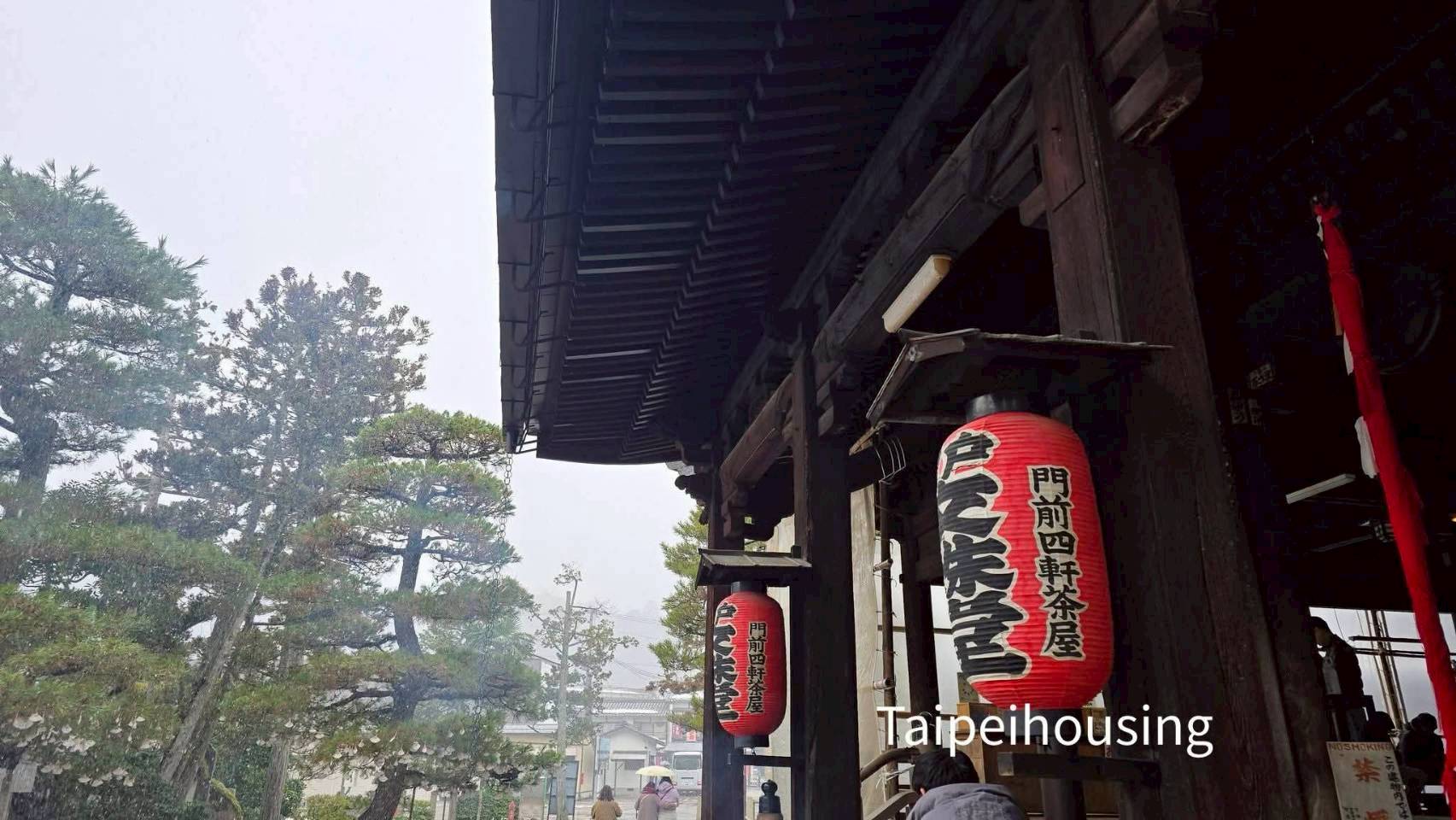
Main hall (Monju-do): “Mount Wutai” hangs here.
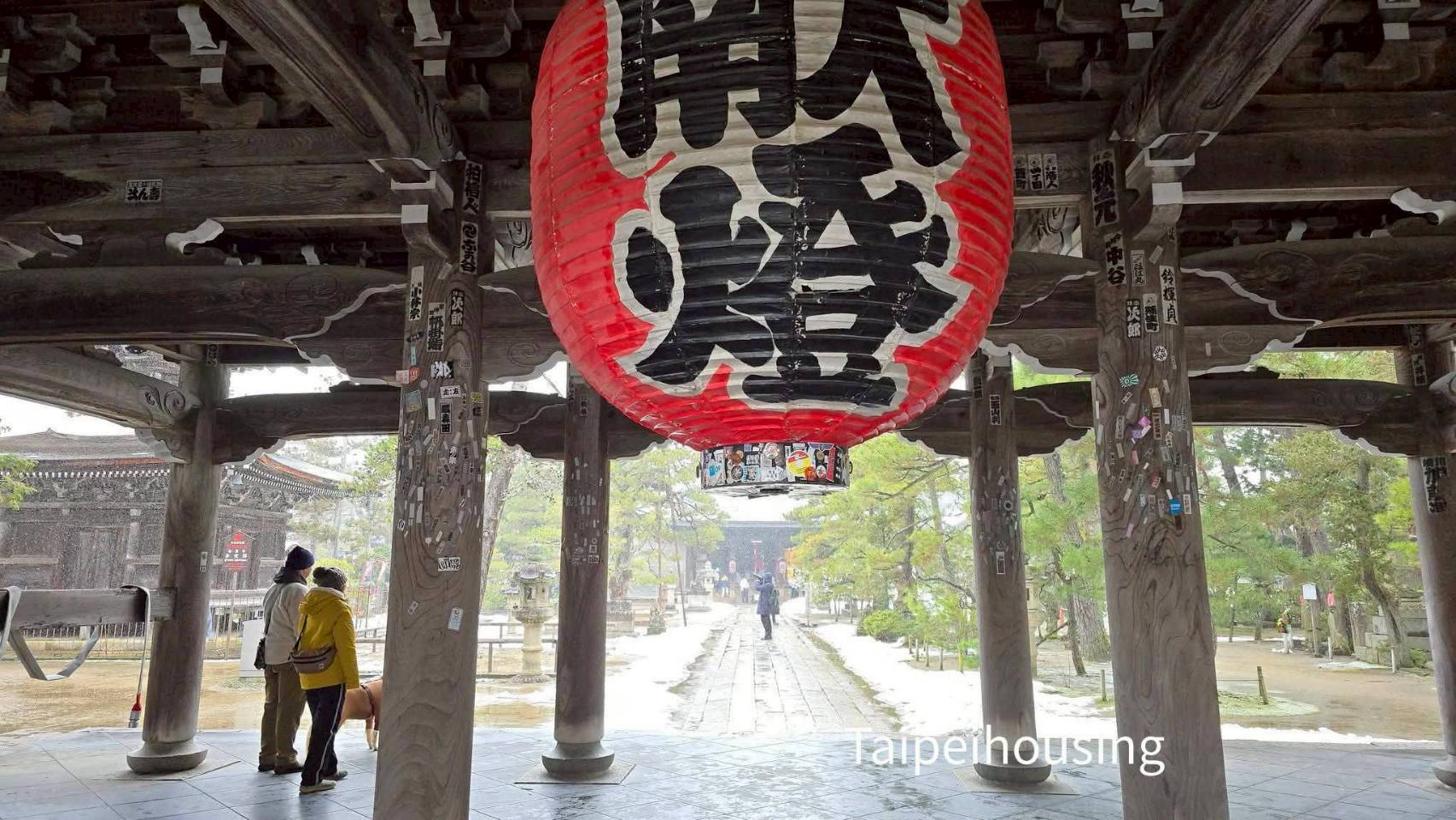
Main gate (Golden Pavilion): “Golden Pavilion” hangs on the second floor, and “Kaijo Zenkyo” (Zen Realm on the Sea; also written Kaijo Zenrin) on the first floor.
What makes Chion-ji’s Monju special
Chion-ji in Amanohashidate (also called Monju-do) enshrines Manjushri, the Bodhisattva of Wisdom. Together with Kameoka Monju in Yamagata Prefecture and Abe Monju in Nara Prefecture, it is known as one of the “Three Great Monju of Japan.”
What is most distinctive and fun here is its unique worship customs and scenery:
1. The unique fan-shaped fortune slips (O-mikuji)
The most famous feature of Chion-ji is the shape of its fortune slips.
Shape: Unlike ordinary long strips of paper, the fortunes here are shaped like small fans, and are very cute when unfolded.
How to hang: After drawing a fortune, visitors tie these little fans to the pine trees in the temple grounds.
Meaning: The Japanese word for pine (matsu) sounds the same as “to wait” (matsu). Hanging fortunes on pines symbolizes “waiting for good luck to arrive.”
Scenery: Pine trees covered with snow-white little fans are a one-of-a-kind sight at Chion-ji.
2. The Golden Pavilion (main gate)
Status: The temple’s main gate is called the “Golden Pavilion,” the largest Zen-style gate in the Tango region.
Features: The gate is a designated cultural property of Miyazu City. It is said that nearly nine thousand carpenters worked for seven years to finish it in 1767, and its structure is exquisite and magnificent.
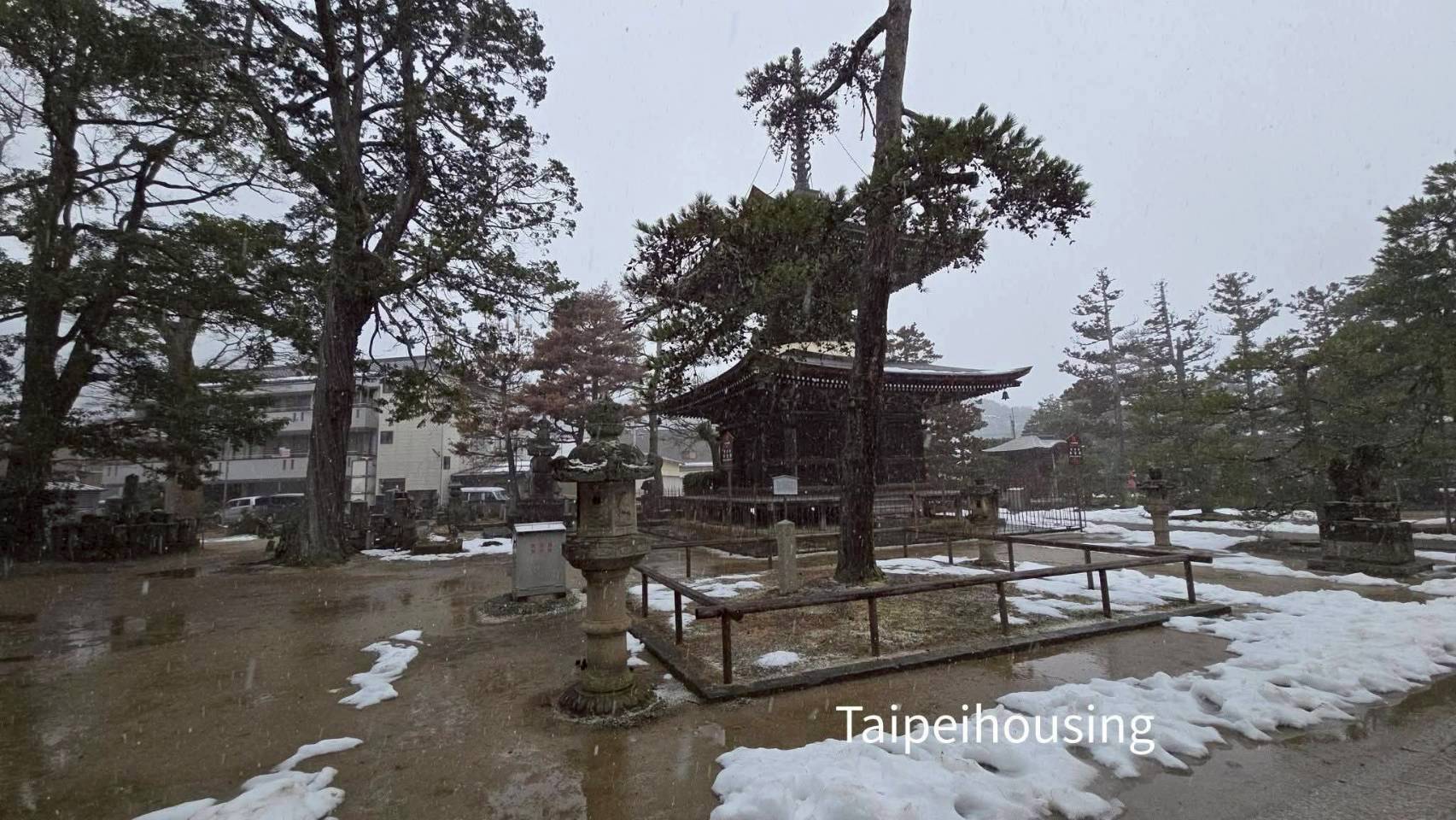
3. The Tahoto pagoda (Important Cultural Property)
Features: Built in the Muromachi period (around 1500), the pagoda is one of the few well-preserved ancient buildings in the area. Its proportions are beautiful, and it is designated a nationally Important Cultural Property.
4. The “Wisdom Rice Cake” and the “Wheel of Wisdom”
Wheel of Wisdom (Chie no Wa): On the shore near the temple stands a ring-shaped stone lantern (the Wheel of Wisdom). Local legend says that passing through the ring three times will make you wiser.
Chion-ji, also known as “Kirito Monju” and “Kuseto Monju”
Chion-ji in Amanohashidate, also called “Kirito Monju” or “Kuseto Monju,” differs from the familiar Honganji and Toji temples of Kyoto. It shows another kind of religious power, one concerned with “wisdom” and “guarding the frontier.”
The temple is not only one of Japan’s “Three Great Monju” but also has deep ties to Kyoto in history, politics and faith.
Origins of Chion-ji: myth and the embodiment of wisdom
The mythical beginning
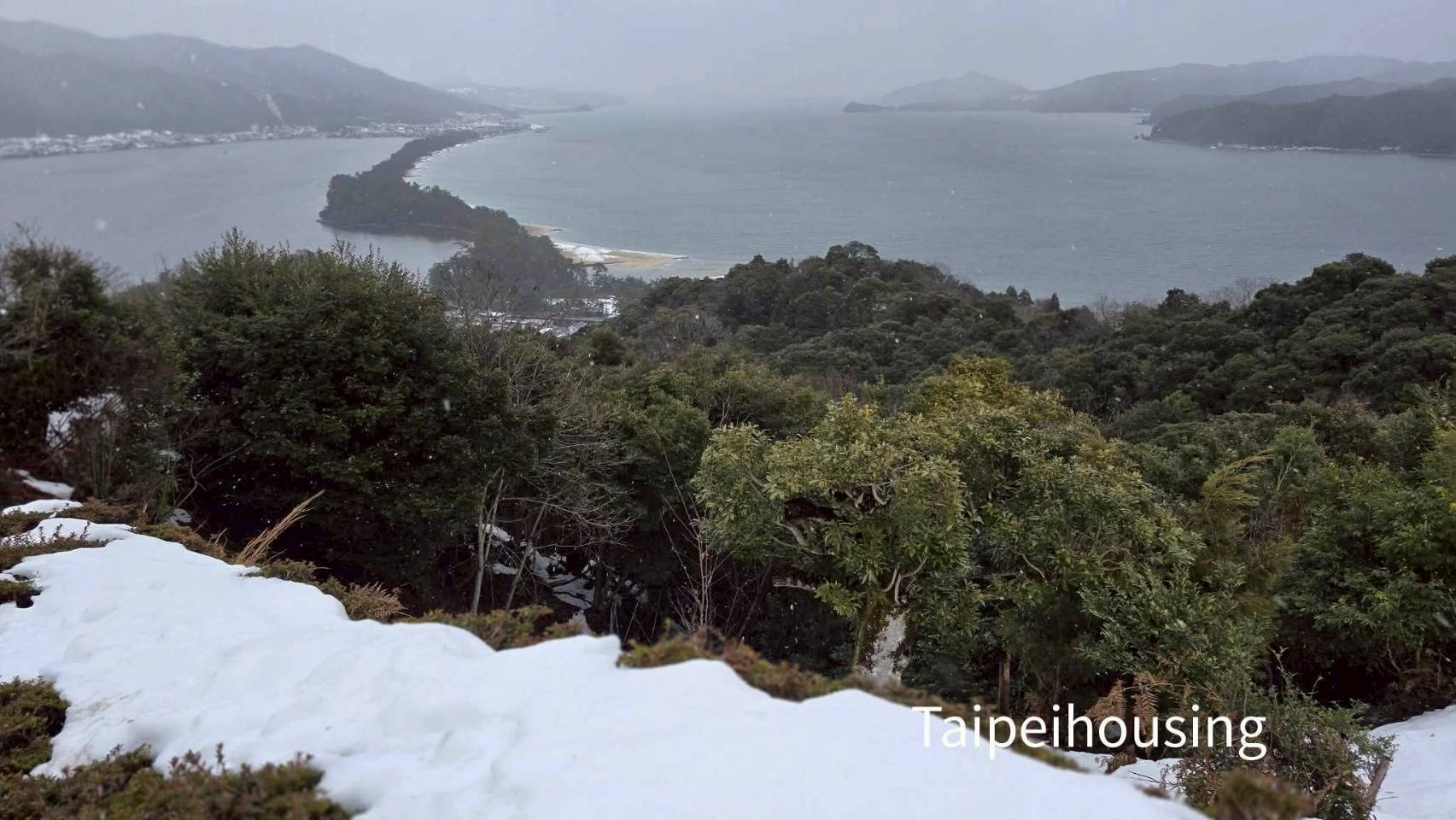
Legend says that in the age of the gods, the land of Amanohashidate was often troubled by a poisonous dragon. To subdue it, the gods invited Manjushri, the embodiment of wisdom, who preached on a sandbar out at sea and transformed the dragon into a guardian. This is why the temple’s plaque reads “Zen Realm on the Sea”: it symbolizes crossing the sea of birth and death with wisdom.
[Foremost of Japan’s Three Monju]
The Manjushri enshrined at Chion-ji ranks alongside Abe Monju-in in Nara and Kameoka Monju in Yamagata. But because of its seaside scenery and ancient legends, Chion-ji holds an especially high place in popular belief and is regarded as a holy place for seeking learning and wisdom.
An architectural treasure
The pagoda in the temple was built in the Muromachi period (1500) and is an Important Cultural Property. Its graceful proportions, interwoven with the Amanohashidate sandbar behind it, are a model of religious architecture blending with natural beauty.
Deep ties with Kyoto
Although Chion-ji is in Miyazu City (Tango region) in northern Kyoto Prefecture, its connection with Kyoto city (Rakuchu) goes back a long way:
1. Ties of Buddhist lineage and politics:
Rinzai school, Kennin-ji branch: Chion-ji currently belongs to the Kennin-ji branch of the Rinzai Zen school, and Kennin-ji is the oldest Zen temple in Kyoto. This lineage binds remote Tango to the heart of Kyoto’s Zen culture.
Protection by the shogunate and daimyo: In the Muromachi and Edo periods, Kyoto’s rulers (such as Ashikaga Yoshimitsu) greatly admired Amanohashidate. As an important transport hub between Kyoto and the Hokuriku region (Sea of Japan side), Chion-ji also became an important sacred site where Kyoto’s powerful prayed for the safety of their domains and smooth sea routes.
2. Overlap of art and aesthetics:
Sesshu’s “View of Amanohashidate”: Sesshu, a giant of Kyoto painting, painted the famous national treasure “View of Amanohashidate,” which depicts Chion-ji and its surroundings in fine detail. The painting not only brought Tango’s scenery before Kyoto’s aristocrats but also secured Chion-ji’s place in Kyoto’s aesthetic world.
The establishment of the Three Views of Japan: In the Edo period, the Confucian scholar Hayashi Shunsai listed Amanohashidate among the Three Views of Japan in his “Nihon Kokujiko.” The idea spread quickly in Kyoto, then the cultural center, inspiring literati to travel north to worship and compose poems.
3. An extension of Monju faith:
Kyoto has many small temples related to Manjushri, but for Kyoto students and monks, visiting the “Kirito Monju” in the north at least once in a lifetime is regarded as a pilgrimage to the source of wisdom.
From JR Kyoto Station to Chion-ji in Amanohashidate
The fastest and most convenient way is to take a direct limited express train. Chion-ji is about a 5-minute walk from Amanohashidate Station.
Here is a detailed guide to the route:
Option 1: Limited Express “Hashidate” (most recommended)
This is the most direct choice, with no transfers.
- Boarding point: Platform 31 at JR Kyoto Station (the same area as trains for Enmachi and the Sagano Line).
- Travel time: about 2 hours 10 minutes.
- Get off at: Amanohashidate Station.
- Advantage: It goes straight to your destination, and from the train windows you can enjoy countryside and mountain scenery as you enter the Tango region.
Option 2: Limited Express “Kinosaki,” with a transfer at Fukuchiyama
If the direct train times do not suit you, you can choose this method.
Route:
- Take the Limited Express “Kinosaki” from Kyoto Station to JR Fukuchiyama Station.
- At Fukuchiyama Station, transfer to a Kyoto Tango Railway (Tantetsu) train (such as the “Limited Express Tango Relay” or a local train) to Amanohashidate Station.
Travel time: about 2 hours 15 to 30 minutes including the transfer.
Getting to Chion-ji from Amanohashidate Station
- After exiting: Leave through the station’s only exit and walk straight ahead to the right.
- Walking route: Walk along the shopping street for about 5 minutes.
- Landmark: You will first see the magnificent “Golden Pavilion” (main gate) of Chion-ji, and the famous revolving bridge of Amanohashidate will be on your right.
Photos from the Monju hall at Chion-ji