

【It All Began with Gongliao Organic Bookstore】
【Literary Revolution in an Old House: How Organic Bookstores Connect Global Warmth with a Single Secondhand Book】
【Bringing Bookstores to Remote Areas】
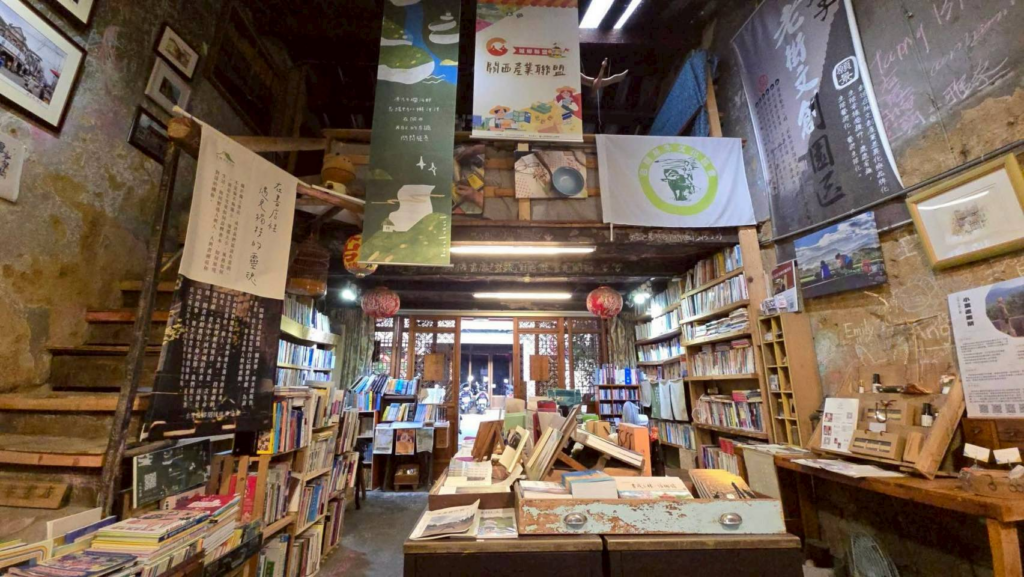
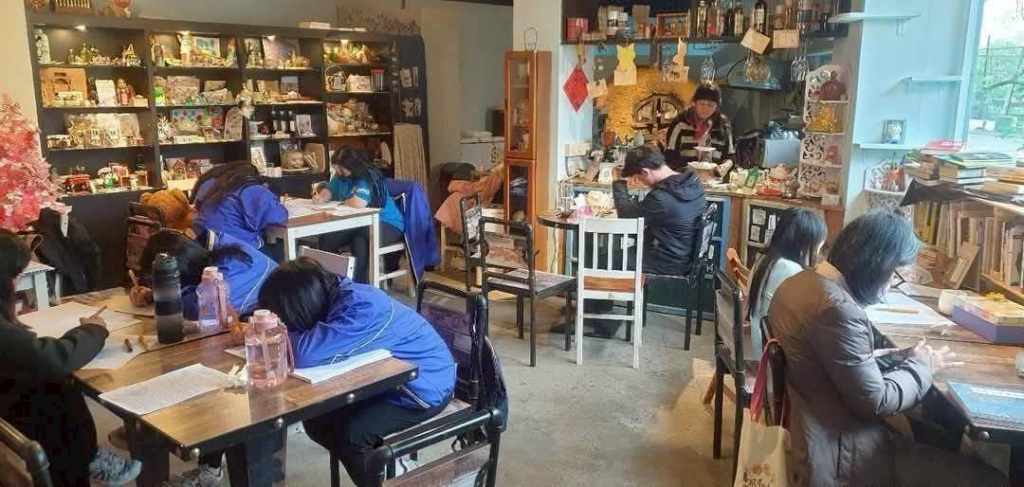
Deeply grateful for the opportunity provided by the owner of Rain Pudding in Gongliao to host several Medicine Buddha Sutra transcription sessions at Gongliao Organic Academy:
https://www.facebook.com/share/p/1C3hzxvShe/
https://m.facebook.com/story.php?story_fbid=122114150661113602&id=61583408066568&mibextid=Nif5oz
During the pandemic, we also hosted lecture activities here:
https://www.facebook.com/share/p/1By6kYHYRs
https://www.facebook.com/share/p/1HBJERDfFP
This gave me the chance to understand the beautiful story of bringing bookstores into remote areas!
Planting an Organic Forest in a Digital Desert:
In an era where swiping fingers is faster than turning pages, the decline of physical bookstores seems like an irreversible fate. However, starting from Shidianzi Old Street in Guanxi, Hsinchu, across Taiwan’s Hakka towns, remote tribal villages, and even as far as Japan and Nepal, a space called “Organic Bookstore” is quietly sprouting in old houses in a slow yet resilient manner.
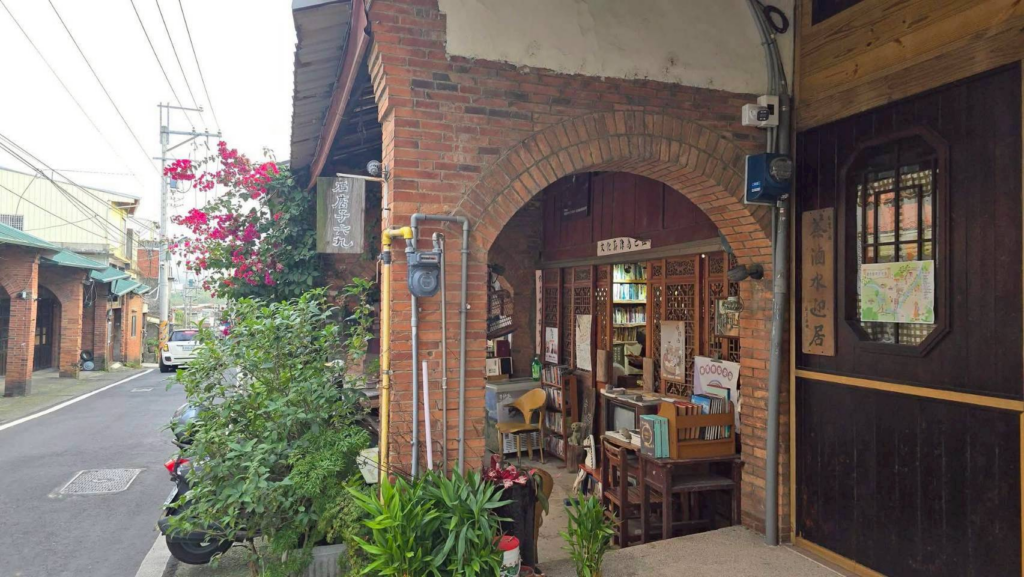
It doesn’t sell books, yet has an endless collection; it charges no franchise fees, yet nearly fifty shopkeepers nationwide have willingly committed to it. This isn’t a victory for commercial franchising, but an “organic forest” planted for society by a former brand consultant who, after seeing through worldly vanity, decided to dedicate his life to this cause.
Chapter 1: The Starting Point — When Old Books Meet Century-Old Houses
Lu Wen-chun, the founder of Organic Bookstore, was a brand consultant who traveled between both sides of the Strait, specializing in assisting B&Bs and factories. He is skilled at capturing the soul of a space and giving value to buildings. In 2014, business brought him to the small town of Guanxi in Hsinchu, where he discovered a unique pace and style of life.
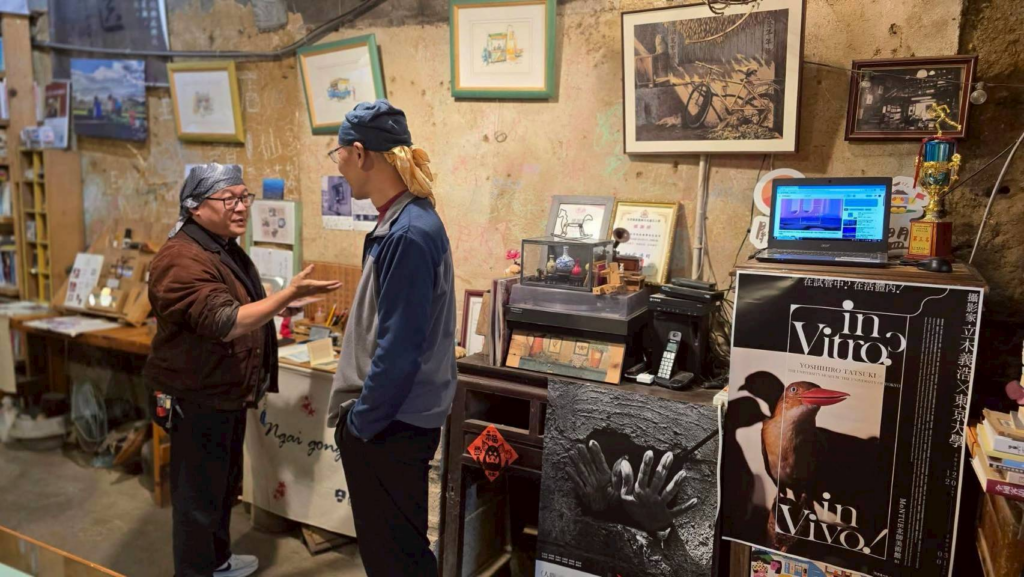
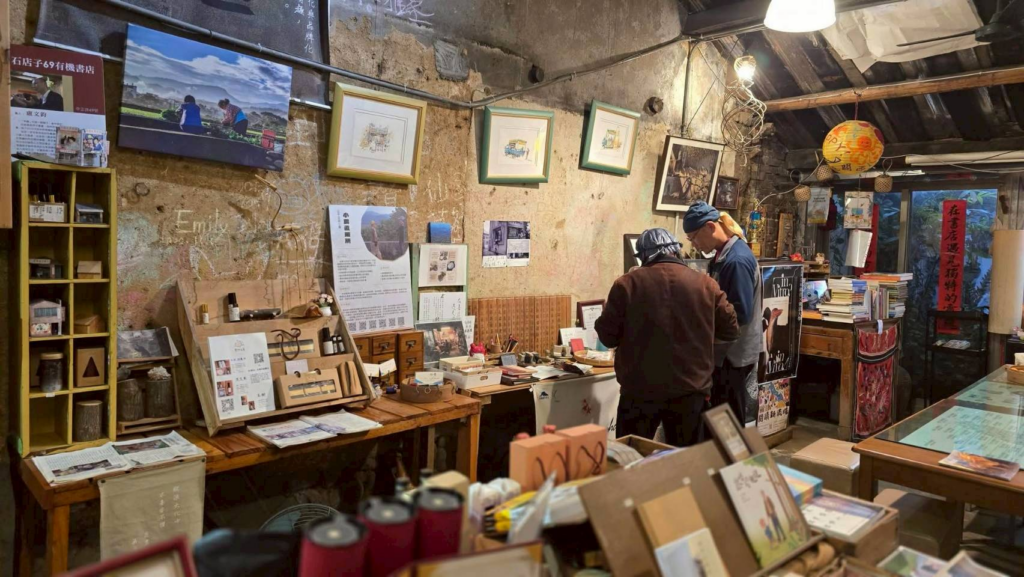
By chance, he rented a century-old house, preserving the rustic charm of its rammed earth walls and red bricks. He found that secondhand books occupied an awkward position in modern society, as libraries and recycling centers were often not ideal endpoints. He lamented: “If the life of a book ends at a recycling center, it is a cultural tragedy.” Thus, he decided this bookstore would “only exchange books, not sell them,” with a symbolic contribution of 20 TWD for reading promotion with every exchange. This simple “organic” cycle became the starting point of the experiment.
Chapter 2: The Art of Survival — Cultivating Literary Fragrance
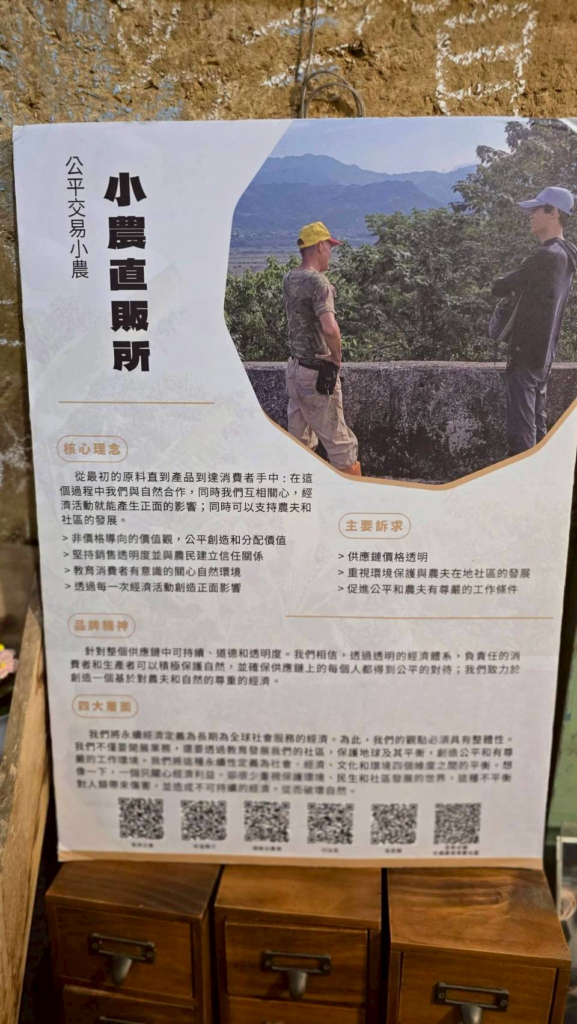
Combining his talents as a brand consultant, he initiated “community-building” style diversified operations, including community dining, art salons, and documentary distribution. He also helped local farmers repackage their products, transforming the bookstore into a display window for local values.
Chapter 3: Community Scenery — A Haven for Seniors and Children
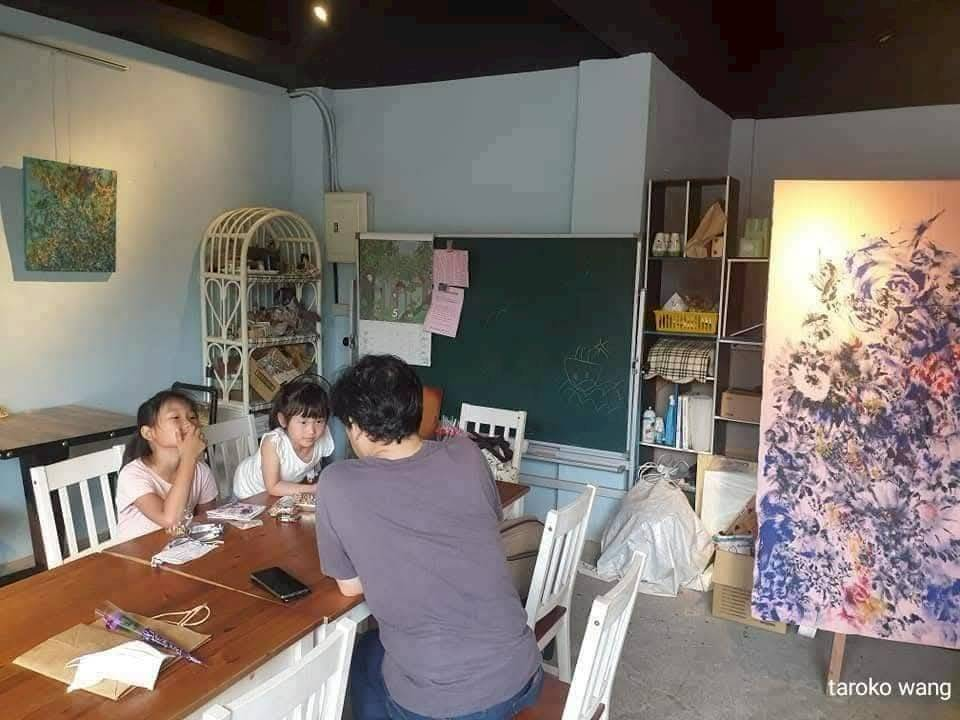
The most moving scenery in an organic bookstore is often not the books, but the people. Lu Wen-chun positioned the bookstore as a “community cultural center,” with special care for children in remote areas. The bookstore fulfills the mission of a community “after-school care center,” providing a place for underprivileged students to go after class and hosting parent-child reading events and storytelling by volunteer mothers.
Simultaneously, the bookstore addresses the loneliness of the elderly in remote areas. By inviting seniors aged 60 to 80 to help manage the shop, they are no longer just watching TV at home; instead, they can chat with tourists and provide tours of local culture. When elders feel “needed,” the rebirth of their life value is the deepest meaning of “organic”: the space is alive, and the connections between people grow naturally.
Chapter 4: ESG in Practice — The Dream of One Thousand Global Shops
Lu Wen-chun mentioned a staggering plan: he intends to open a thousand organic bookstores worldwide. His expansion model discards traditional franchising—no fees, no deposits. As long as someone is willing to revitalize an old house, he provides a startup collection of one thousand books for free.
He positions himself as a “mentor,” modularizing the bookstore so each shopkeeper can grow according to the local tone. Currently, there are nearly fifty locations across Taiwan, extending even to Kansai, Japan, and London, UK. This resource sharing and emotional resonance have successfully overcome the most difficult cost barriers for social enterprises.
Chapter 5: Cultural Depth — Seeing the Soul of Old Houses through Small Trips
Beyond books and lodging, Lu emphasizes “cultural tours” and “small trips.” He trains shopkeepers to deeply excavate local stories, allowing tourists to see daily life like riverside laundry or the glory of the Japanese colonial period. These details are surprises that Google Maps cannot provide.
This is exactly what the author realized five years ago on Gongliao Old Street. At that time, while visiting the street frequently, I discovered “Gongliao Organic Bookstore” at the Lin Rong-san Rice Shop. Through the introduction of the owner of “Rain Pudding Coffee,” I gained a deep understanding of Mr. Lu’s philosophy of bringing bookstores to remote areas. Meeting him in person today, I can better feel how he uses cultural tours to turn bookstores into the “cultural transit stations” of small towns.
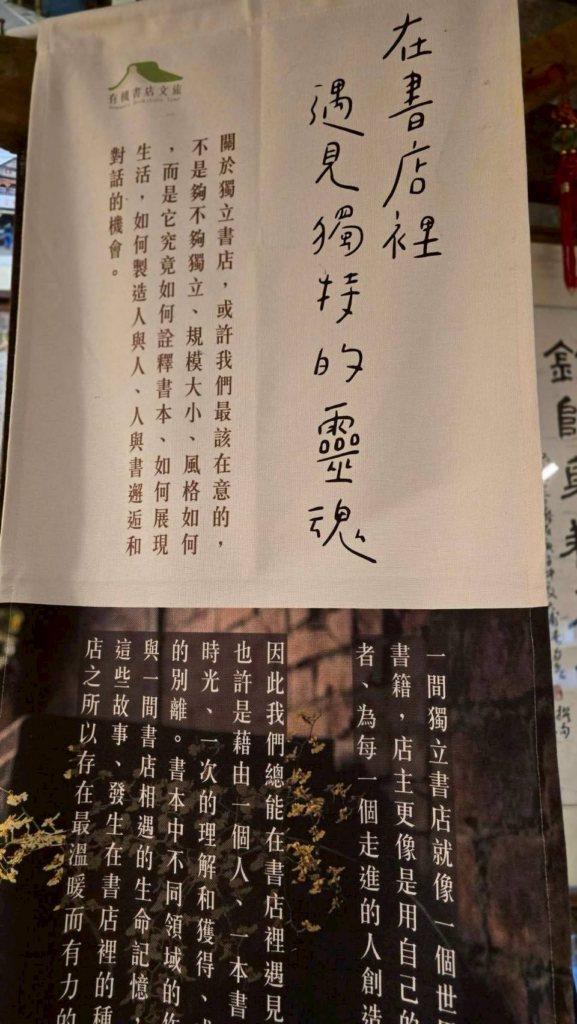
May this Literary Fragrance Warm the World Organically
“Organic” means seeds will continue to sprout and grow. This twelve-year experiment of organic bookstores has proven: when we put “altruism” before “self-interest,” resources will converge more organically.
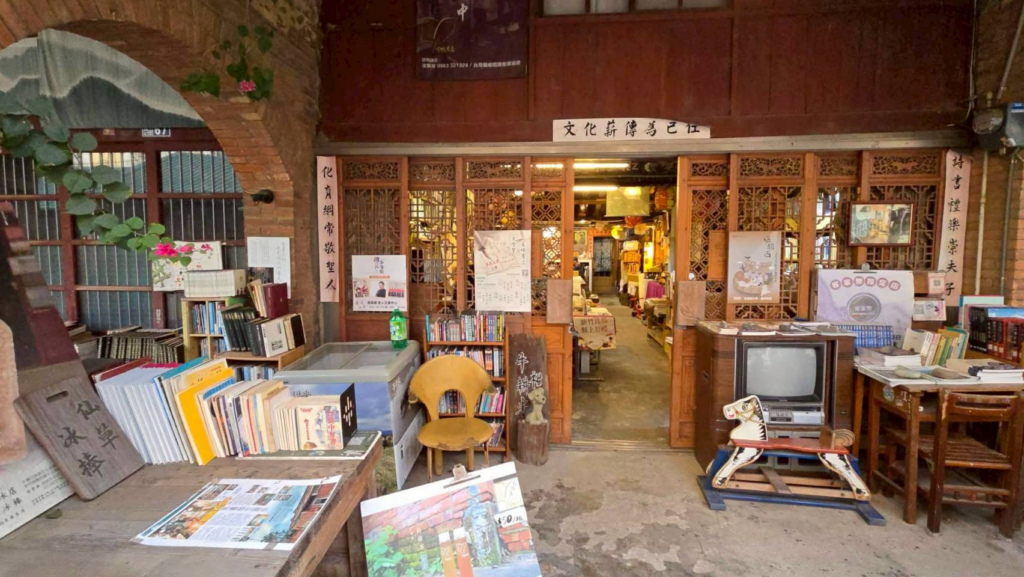
Lu Wen-chun is not only a rational entrepreneur but also a sensitive social engineer. Those secondhand books flowing between different bookstores are like capillaries, delivering cultural nutrients to the driest corners of society. In the future, when you see that familiar “Organic Bookstore” wooden sign at a corner in an unfamiliar town, please remember to step inside. Exchange a book, exchange a story, and participate in this gentle revolution to flip the world.